
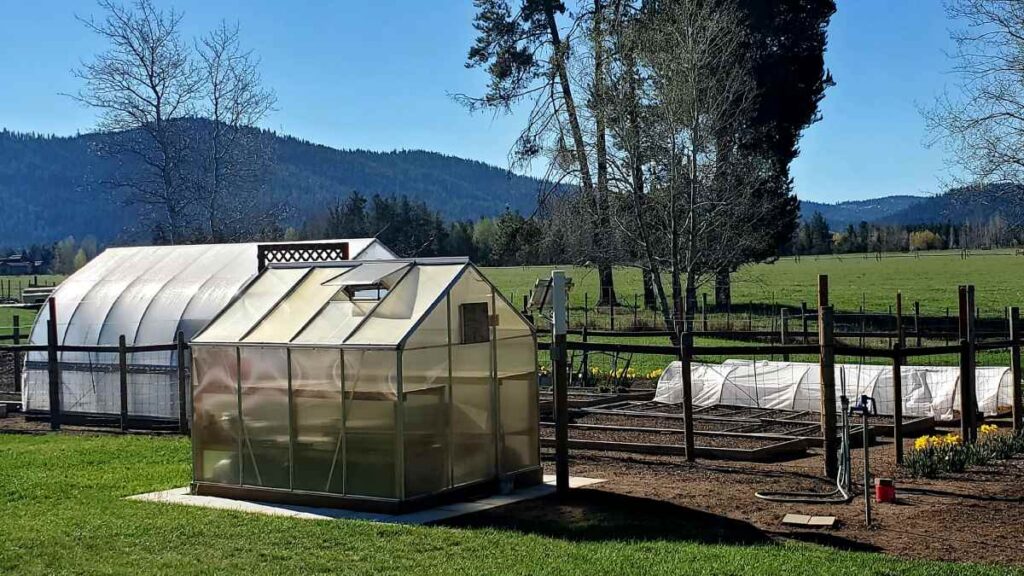
June is one of my favorite months in the garden. After a long winter and a cautious spring, the garden finally starts to come alive. In cold climate gardening zones 3–5, June often feels like the month when everything begins to take off. The days are longer, the soil is warming up, and all those seedlings you’ve been nurturing indoors are finally settling into their new homes.
Even after more than 30 years of gardening in a short-season mountain climate, June still feels exciting. It’s also a busy month. What you do now can make a big difference in the health and productivity of your garden later in the season.
Here are my top June gardening tips for gardeners in zones 3–5.
1. Stay Alert for Late Frosts
Just because the calendar says June doesn’t mean Mother Nature is finished with frost. In many cold-climate areas, surprise frosts can still happen early in the month.
Keep an eye on your local weather forecast and have frost blankets, old sheets, or row covers ready if temperatures suddenly dip. I’ve learned the hard way that a single cold night can undo weeks of careful work.
2. Keep Up with Weeds
Small weeds are easy to remove. Large weeds become a weekend project.
Try to spend a few minutes every couple of days pulling weeds before they go to seed. Your future self will thank you.
3. Support Tall Plants Early
Don’t wait until plants are falling over.
Install tomato cages, stakes, trellises, and supports while plants are still relatively small. It’s much easier than trying to wrestle a six-foot tomato plant into a cage later in the summer.
Trust me; the tomato usually wins that battle.
4. Finish Planting Warm-Season Crops
Once nighttime temperatures consistently stay above 50°F, it’s generally safe to plant warm-season vegetables such as:
• Tomatoes
• Peppers
• Cucumbers
• Squash
• Pumpkins
• Beans
If your growing season is short like mine, don’t delay too long. These crops need every available day to mature before fall arrives.
5. Mulch Your Garden Beds
June is the perfect time to apply mulch around your plants.
Mulch helps:
• Retain soil moisture
• Reduce weeds
• Moderate soil temperatures
• Improve soil health over time
My go to mulch is straw, shredded leaves, or untreated grass clippings. A few inches of mulch now can save a lot of watering and weeding later.
6. Feed Heavy Feeders
Many vegetables benefit from a mid-season boost of nutrients.
Heavy feeders include:
• Tomatoes
• Peppers
• Squash
• Cabbage
• Corn
Whether you use compost, fish emulsion, or an organic fertilizer, June is a good time to support strong growth and healthy production.
7. Succession Plant Cool-Season Crops
One mistake many gardeners make is planting everything at once.
For a continuous harvest, sow additional plantings of:
• Lettuce
• Radishes
• Spinach
• Cilantro
• Green onions
• Peas
I’ve been planting lettuce, radishes, and green onions every few weeks throughout the season. I love having fresh salads straight from the garden, it never gets old.
8. Watch for Garden Pests
June is when many garden pests begin showing up.
Check plants regularly for:
• Aphids
• Flea beetles
• Cutworms
• Cabbage worms
• Slugs
• Earwigs
• Grasshoppers
A quick daily walk through the garden can help you spot problems before they become major infestations. I’ve already noticed grasshoppers and aphids moving in.
9. Keep Hardening Off Late Seedlings
If you’re still moving seedlings outdoors, continue hardening them off gradually.
Cold climate sunshine can be surprisingly intense on tender indoor-grown plants. Giving them time to adjust helps prevent transplant shock and sunscald.
10. Take Time to Enjoy the Garden
June can feel busy, but don’t forget to slow down and enjoy what you’ve created. I often sit in the garden with my morning coffee enjoying listening to the sounds around me. I watch as the bees work the flowers, and I enjoy listening to the birds. Notice what’s growing well and what needs attention.
Some of my best gardening lessons haven’t come from books. They’ve come from simply spending time in the garden and observing.
Gardening isn’t just about harvesting vegetables. It’s about enjoying the journey from seed to harvest.
My Final Thoughts
June is an important month for gardeners in zones 3–5. Staying ahead of weeds, protecting plants from unexpected cold, watering wisely, and keeping an eye on pests will set you up for a successful growing season.
Remember, every garden teaches us something. Don’t worry if everything isn’t perfect. Even after decades of gardening, I’m still learning new lessons every year. That’s part of what makes gardening so rewarding.