
Achieving Success In A Challenging Climate:
Step-by-step guides for growing vegetables in chilly weather. Tips on selecting flowers that thrive despite cold snaps. Advice on creating a perfect garden area for your garden zone.
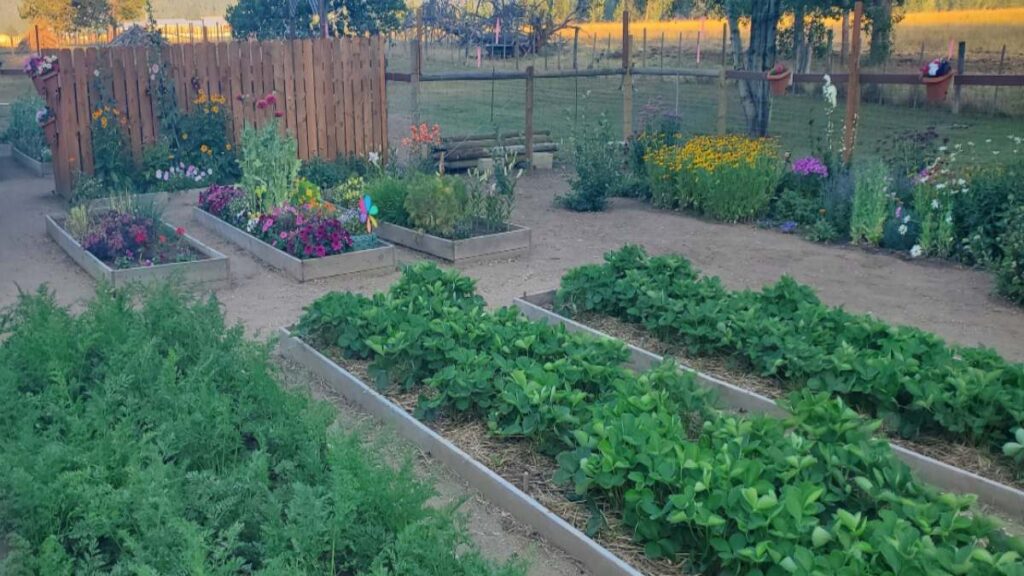
- 1. Know Your Gardening Zone – My first recommendation is to learn your gardening zone. Understanding your zone helps you choose plants that are most likely to thrive in your climate and prevents costly planting mistakes. Learn more
- 2. Know Your First and Last Frost Dates – Knowing your average frost dates is crucial for gardening success. I garden in a short-season climate with only about 79 frost-free days, so timing is everything. Planting too early or too late can significantly impact your harvest. Learn more
- 3. Plan Your Garden Early – Successful gardens start with a plan. Consider your garden layout, crop selection, and planting schedule well in advance. Most vegetables need at least 6 to 8 hours of sunlight each day. I begin planning my garden every January. Learn more
- 4. Test and Improve Your Soil – Healthy soil produces healthy plants. If possible, have your soil tested and amend it as needed. Adding compost and organic matter can improve soil structure, fertility, and drainage. Learn more
- 5. Decide Whether Raised Beds Are Right for You – Raised beds can warm up faster in spring, improve drainage, and make gardening easier to manage. Consider whether raised beds fit your gardening space and goals. Learn more
- 6. Keep a Garden Journal – A garden journal is one of the most valuable tools you can have. I use a three-ring binder to track planting dates, weather conditions, successes, and challenges. Reviewing my notes each year helps me make better gardening decisions. Learn more
- 7. Practice Companion Planting – Companion planting can help deter pests, attract beneficial insects, and maximize garden space. Strategic plant pairings can contribute to a healthier, more productive garden. Learn more
- 8. Rotate Crops Each Year – Avoid planting the same crop in the same location year after year. Crop rotation helps reduce disease problems, minimizes pest buildup, and improves soil health. Learn more
- 9. Water Early in the Day – Morning watering is best for most gardens. It allows plants to absorb moisture before the heat of the day and gives foliage time to dry, reducing the risk of disease. Learn more
- 10. Harden Off Seedlings Before Planting Outdoors – Before moving seedlings from indoors to the garden, gradually expose them to outdoor conditions over several days. Hardening off helps prevent transplant shock and gives plants a stronger start. Learn more
Subscribe to our newsletter!