Before planting seeds, seedlings, or transplants, one of the most important things you need to know is your area’s first and last frost dates. These dates are based on historical weather data and give gardeners a good estimate of when frost is most likely to occur in the spring and fall.
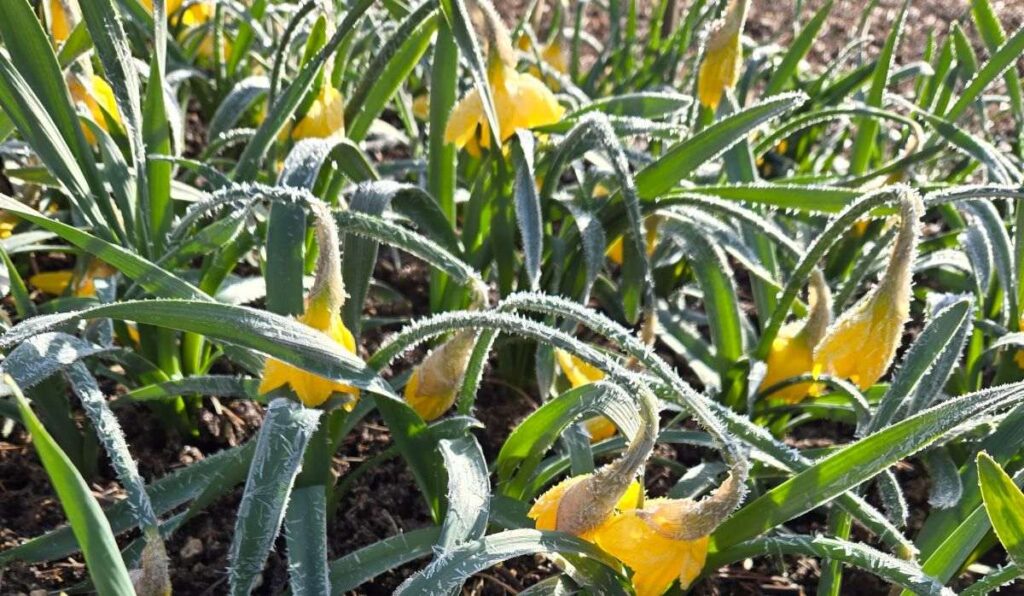
That said, frost dates are only guidelines. Local weather patterns, elevation, and even nearby lakes or rivers can affect when frost actually arrives. For example, I garden at a higher elevation, and I’ve learned the hard way that Mother Nature doesn’t always follow the calendar. Even after the “official” last frost date has passed, I still keep an eye on the forecast and have frost protection ready just in case.
The easiest way to find your frost dates is by using a zip code lookup tool. Two reliable resources are:
The Old Farmer’s Almanac
National Gardening Association
I also recommend checking with your local cooperative extension office. Extension offices have region-specific information and can often provide valuable insight into local growing conditions, frost patterns, and gardening recommendations that national resources may not capture.
Knowing your frost dates is essential for planning a successful garden, whether you’re growing vegetables, flowers, or both. Your last spring frost date helps determine when it’s safe to plant outdoors, while your first fall frost date gives you an idea of how long your growing season will be.
Once you know these dates, you’ll be able to:
Start seeds indoors at the right time
Schedule transplanting seedlings into the garden
Choose crops that will mature within your growing season
Plan succession plantings
Protect tender plants from unexpected cold snaps
In my garden, frost dates are the starting point for every season’s plan. They help me decide what I can grow, when I should plant, and how much time I have to harvest before cold weather returns. While frost dates aren’t a guarantee, they’re one of the most valuable tools a gardener can use to set themselves up for success.
Remember, it’s always easier to wait a few extra days to plant than it is to replace plants damaged by a surprise frost. A little patience in the spring can save a lot of disappointment later.
Happy Gardening!
Debbie 🌿❄️🌸
Cold Climate Gardens
Helping Zone 3 & 4 Gardeners Grow with Confidence