
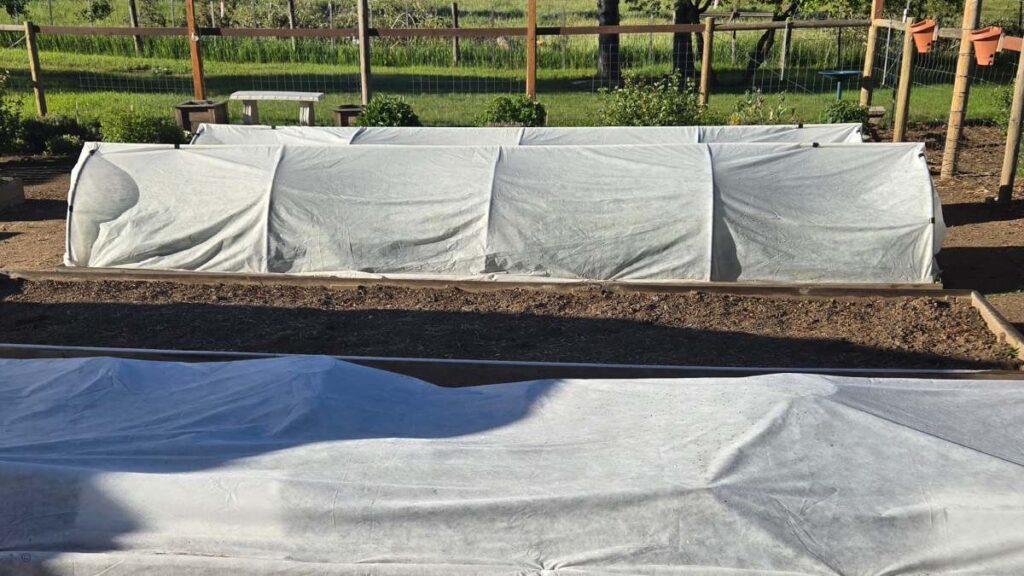
Here it is almost the end of June, and once again we’re watching the forecast and seeing nighttime temperatures expected to dip down into the 30s. If you garden in a cold climate, you know how discouraging that can feel. By late June, most of us are ready to stop worrying about frost, get everything planted, and finally enjoy watching the garden grow. But in zones 3–5, June has a way of reminding us that summer doesn’t always arrive on schedule.
After gardening in a short-season mountain climate for over 30 years, I’ve learned that June can be one of the trickiest months in the garden. It’s often warm enough during the day to make you think you’re in the clear, but those chilly nights can still sneak up on you. For both beginner and experienced gardeners, late June cold snaps can mean dragging out frost covers, watching the forecast like a hawk, and doing your best to protect tender plants from damage.
Why June Can Be So Challenging for Cold Climate Gardeners
June is one of those in-between months in a cold climate garden. The soil is finally warming up, flowers are starting to bloom, and warm-season vegetables are usually planted or ready to go in. It feels like the garden should be off and running by now. Then the weather changes, and suddenly we’re right back into plant protection mode.
That’s what makes June so frustrating. It can look and feel like summer one day, and then act like spring the next. Even if the temperatures don’t drop low enough for a hard frost, a night in the 30s can still stress many plants and slow their growth. Tender vegetables and flowers may not die, but they can stall out, wilt, or take several days to recover.
This is why I always tell gardeners not to trust the calendar alone. Average last frost dates are helpful, but they are not a guarantee. In mountain areas and colder zones, weather patterns, elevation, wind, and even where your garden sits in the yard can make a big difference.
Plants I Worry About Most When Temperatures Dip Into the 30s
When I see a forecast for overnight temperatures in the 30s, I start thinking about the plants that don’t appreciate cold weather at all. These are the ones to protect first:
✅Tomatoes
✅Peppers
✅Cucumbers
✅Squash and pumpkins
✅Beans
✅Basil
✅Hanging baskets and annual flowers
These warm-season plants really prefer steady warmth. Even if frost doesn’t form, cold temperatures can leave them looking unhappy. You might notice droopy leaves, slowed growth, pale foliage, or plants that just seem to sit there and do nothing for a while.
What I Do to Protect My Garden From a Late June Cold Snap
Over the years I’ve learned to keep plant covers nearby well into June, and sometimes beyond. If the forecast is calling for a cold night, here are the steps I take to protect my garden.
1. Check the forecast carefully
I pay close attention to the predicted overnight low, wind, and how many hours temperatures are expected to stay cold. A forecast of 39°F can feel very different from a forecast of 33°F, especially if the sky is clear and the wind dies down.
2. Water dry soil earlier in the day
If the garden is dry, I water before evening. Moist soil holds heat better than dry soil, which can help protect plant roots and keep the area around plants just a little warmer overnight.
3. Cover the most tender plants first
Tomatoes, peppers, cucumbers, squash, basil, and annual flowers are usually at the top of my list. These are the plants most likely to be set back by a cold night.
4. Use whatever protection you have on hand
Frost cloth is great if you have it, but I’ve also used old sheets, lightweight blankets, buckets, totes, and even cardboard boxes in a pinch. The goal is to trap some warmth around the plants and protect them from cold air settling directly on them.
5. Put covers on before temperatures drop
I try to get everything covered in the evening before it gets too cold outside. It’s much easier to protect the warmth that has built up during the day than it is to recover once plants are already chilled.
6. Remove heavy covers the next morning
Once the temperatures warm up and the sun is out, I uncover the plants so they don’t overheat or stay too damp underneath.
Don’t Let a Late June Cold Snap Discourage You
If you’re new to gardening in a cold climate, this kind of weather can feel incredibly discouraging. You do everything right, get your garden planted, and then June throws one more cold night at you. I’ve been there, and honestly, it still isn’t my favorite part of gardening.
But this is also part of what cold climate gardening teaches us—patience, flexibility, and the importance of staying prepared. Gardening in zones 3–5 means learning to work with the weather instead of expecting it to behave the way we want it to. Some years are easier than others, but every year teaches us something.
The good news is that one chilly night in late June doesn’t mean your season is ruined. Most gardens bounce back just fine with a little protection and a little patience. I’ve had years where I thought the cold had set everything back for good, only to have the garden take off once warmer weather finally settled in.
My Best Advice for Gardening Through a Cold June
If your forecast is dipping into the 30s again, don’t panic—but do be prepared. Keep frost cloths, old sheets, or buckets handy, pay attention to your local forecast, and remember that June can still surprise us in a cold climate.
Summer will come, but sometimes it takes its sweet time getting here.
Happy Gardening!
Debbie 🌿❄️🌸
Cold Climate Gardens
Helping Zone 3 & 4 Gardeners Grow with Confidence