
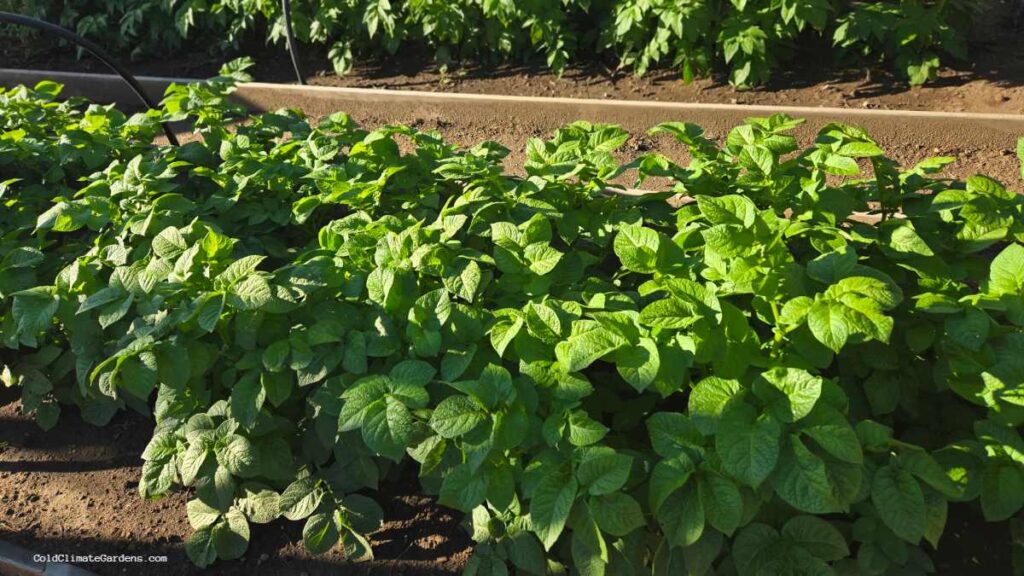
Prevention Can Be One Of the Best Organic Pest Controls.
One of the things I enjoy most about walking through my gardens every day is checking on how everything is growing. It’s also the best time to catch potential problems before they get out of hand.
This week I noticed whiteflies beginning to show up on both my potato plants and my pea plants. It’s never exciting to find insects in the garden, but over the years I’ve learned that not every pest problem requires harsh chemicals.
I prefer to garden organically whenever possible, especially in my vegetable garden. My goal is to work with nature while protecting the food my family grows.
Common Garden Pests You May See
Depending on where you live, you may encounter different garden pests throughout the growing season. Here are a few of the most common ones.
Whiteflies
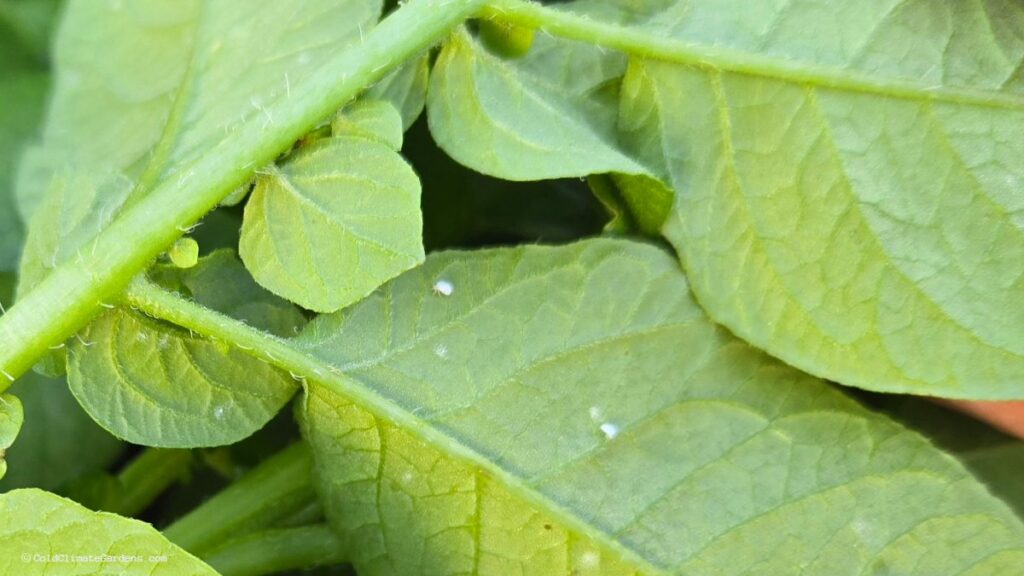
Whiteflies are tiny white insects that gather on the undersides of leaves. When disturbed, they fly up in small clouds. They feed by sucking sap from plants, which can weaken growth and eventually cause leaves to yellow or curl.
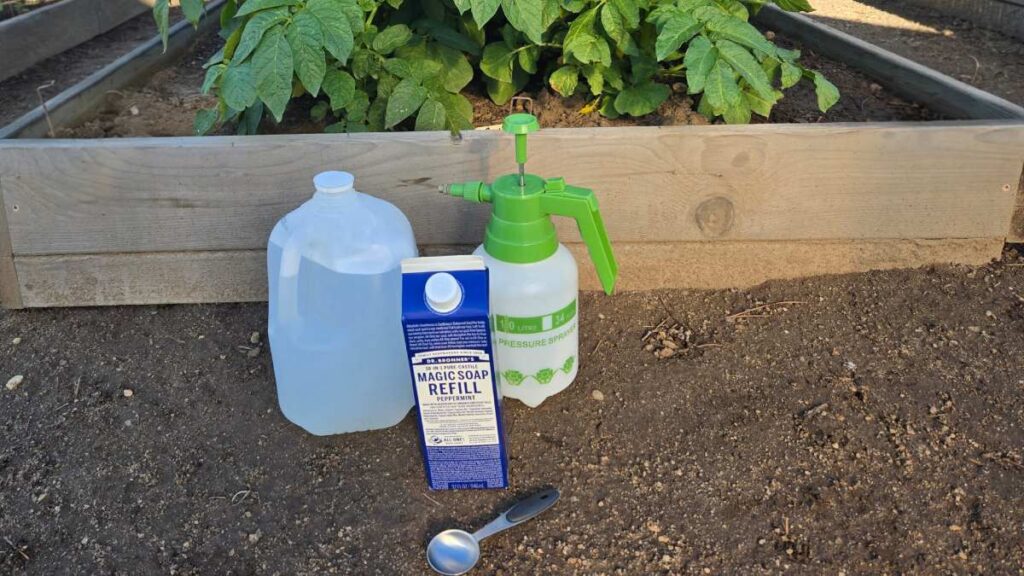
I’ve recently found them on my potatoes and peas, so I’m planning to spray the plants with a simple homemade solution of mild liquid soap mixed with water. The soap helps break down the insects’ protective coating.
When using a soap spray:
✅ Use a few drops of mild liquid soap per gallon of water.
✅ Spray early in the morning or later in the evening to avoid leaf burn.
✅ Focus on the undersides of the leaves where whiteflies like to hide.
✅ Test a small section of the plant first before spraying the entire crop.
You may need to repeat the treatment every few days until the population is under control.
Aphids
Aphids are another common garden visitor. These small green, black, yellow, or red insects gather on tender new growth and flower buds. Like whiteflies, they feed by sucking plant juices.
Ladybugs, lacewings, and other beneficial insects are excellent natural predators, so I always try to encourage these helpful insects into my garden before reaching for any spray.
Flea Beetles
These tiny jumping beetles can quickly fill leafy vegetables with dozens of small holes. They especially enjoy plants like radishes, spinach, arugula, and other greens.
This is one reason I like using lightweight mesh covers over some of my crops early in the season.
Leaf Miners
Leaf miners are one of the most frustrating pests I deal with in my garden. Instead of eating holes through the leaves, their larvae tunnel between the leaf surfaces, leaving winding white or tan trails behind. While the damage is mostly cosmetic on mature plants, heavy infestations can weaken young plants and reduce your harvest.
I’ve found that prevention is the best approach. Each year I cover my spinach and beet beds with fine mesh garden covers as soon as I plant them.
If you notice leaves with mining tunnels, remove and dispose of the affected leaves right away to help reduce the number of larvae that mature. I don’t compost heavily infested leaves because I don’t want to risk carrying the problem over to another part of the garden.
Cabbage Worms
If you’re growing broccoli, cabbage, cauliflower, or kale, keep an eye out for cabbage worms. They can chew through leaves surprisingly fast if left unchecked.
Regular inspections make a big difference. I simply remove any worms I find by hand before they become a larger problem.
One of My Favorite Organic Pest Prevention Methods
One of the simplest ways I’ve found to protect certain vegetables is by using fine mesh garden covers.
Every year I place mesh covers over my spinach and beet beds. These covers allow sunlight, air, and water to reach the plants while keeping many flying insects from laying eggs on the leaves.
It’s a simple solution that has saved me a lot of frustration and helped keep my leafy vegetables looking beautiful.
Healthy Gardens Naturally Resist Pests
I’ve found that healthy plants are often better able to tolerate minor insect damage than stressed plants.
Here are a few habits that help keep my garden healthy:
✅ Water consistently, especially during hot weather.
✅ Keep weeds under control since many insects use them as shelter.
✅ Give plants enough spacing for good air circulation.
✅ Inspect plants regularly so problems are caught early.
✅ Encourage pollinators and beneficial insects by planting a variety of flowers.
My Final Thoughts
Every gardener will deal with pests at some point. It’s simply part of gardening. The important thing is not to panic.
Most problems can be managed successfully by checking your plants often, identifying the pest early, and using gentle, organic methods whenever possible.
For me, daily walks through the garden are one of the best pest-control tools I have. Spending just a few minutes each morning allows me to catch small problems before they become big ones—and that’s often the difference between a healthy harvest and a disappointing one.
How do you handle garden pests? I’d love to hear what has worked well in your garden. Share your favorite organic pest-control tips in the comments!
Happy Gardening!
Debbie 🌿❄️🌸
Cold Climate Gardens
Helping Zone 3 & 4 Gardeners Grow with Confidence