
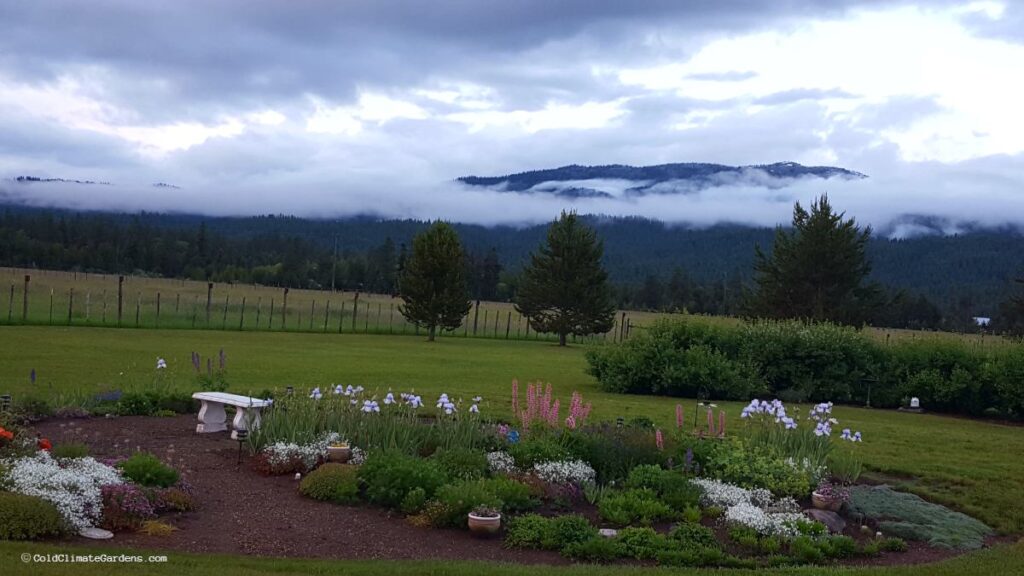
Summer has finally arrived, and after months of planning, planting, and protecting our gardens from late frosts, it’s time to enjoy the rewards. This is one of my favorite times of the year because I get to spend time harvesting fresh vegetables, enjoying colorful blooms, and watching all the hard work pay off.
To keep your garden healthy and productive through the hottest part of the season, I recommend creating a simple daily routine. Spending just a little time in your garden each morning can make a huge difference. I like to water, check for pests, pull a few weeds, and harvest ripe vegetables before the afternoon heat sets in.
Watering Your Garden
The best time to water your garden is early in the morning, preferably before 10:00 a.m. Watering early allows moisture to soak into the soil before the sun becomes intense and gives plant foliage time to dry, helping reduce the risk of disease.
Most vegetable gardens need about 1 to 2 inches of water each week, depending on rainfall and temperatures. Water deeply at the base of each plant rather than spraying the leaves. This encourages deeper root growth and helps prevent fungal diseases.
If you’re growing vegetables or flowers in containers, be sure to check the soil every day. Containers dry out much faster than garden beds, especially during hot, windy weather, and may need watering once or even twice a day.
Protecting Plants from Summer Heat
One of the best things you can do during the summer is apply a layer of mulch around your vegetables and flowers. Mulch helps retain soil moisture, keeps the roots cooler, reduces evaporation, and suppresses weeds.
Here in my garden, I also rely on shade cloth during the hottest part of the summer. I cover both my hoop house and greenhouse to protect my tomatoes, peppers, and cucumbers from excessive heat.
Shade cloth is also a lifesaver for cool-season crops. I’m currently using 40% shade cloth over my lettuce, spinach, radishes, and cilantro to help them stay cooler and reduce the chance of bolting during hot weather.
Harvesting and Garden Maintenance
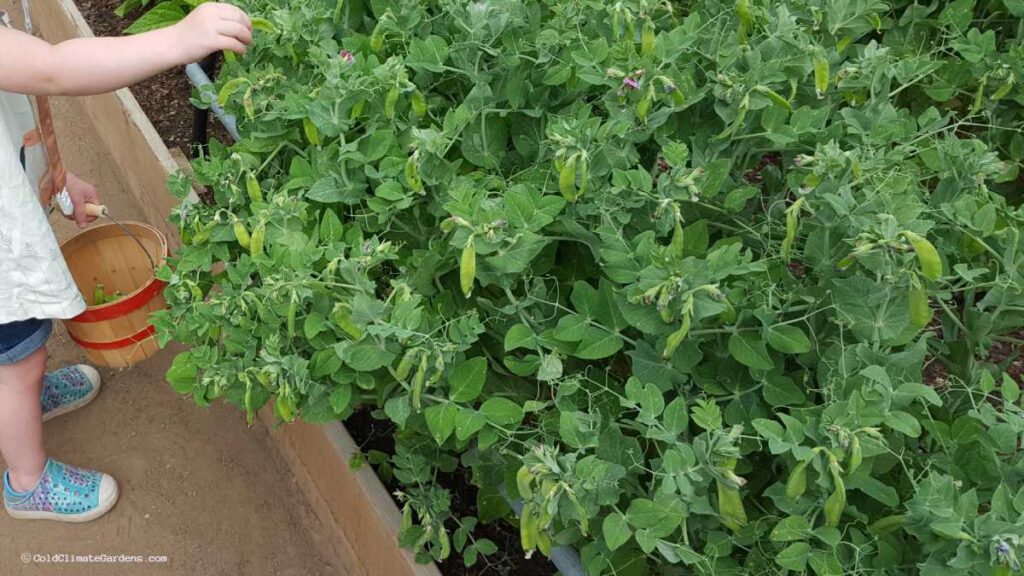
This is the fun part—we finally get to enjoy the harvest!
Pick peas, beans, cucumbers, and zucchini frequently. Regular harvesting encourages your plants to keep producing throughout the season.
To keep your flower beds looking their best, remove faded or spent blooms by deadheading your plants. This encourages many annual flowers to produce even more blossoms.
It’s also a good idea to prune away any dead, damaged, or diseased leaves. This improves air circulation, allows more sunlight to reach healthy growth, and helps reduce disease problems.
Weed and Pest Control
Continue checking your garden regularly for insect pests. Catching problems early makes them much easier to manage before they spread throughout the garden.
I prefer using organic gardening methods whenever possible. A simple insecticidal soap spray works well for many soft-bodied insects, and lightweight garden mesh is excellent for protecting leafy crops from insects like leaf miners and other chewing pests without using chemicals.
Don’t forget to stay ahead of the weeds, too. Weeds compete with your vegetables and flowers for water, nutrients, and sunlight. Pulling a few weeds each day is much easier than tackling an overgrown garden later in the season.
Enjoy Every Moment
Summer gardening is about more than growing vegetables and flowers—it’s about slowing down and enjoying the time you spend outside. Even if you only have 15 or 20 minutes each morning, that small investment will help keep your garden thriving all season long.
What does your summer garden routine look like? I’d love to hear your favorite tips or see photos of what’s growing in your garden. Leave a comment below and let’s inspire each other to make this our best gardening season yet!
Happy Gardening!
Debbie 🌿❄️🌸
Cold Climate Gardens
Helping Zone 3 & 4 Gardeners Grow with Confidence