

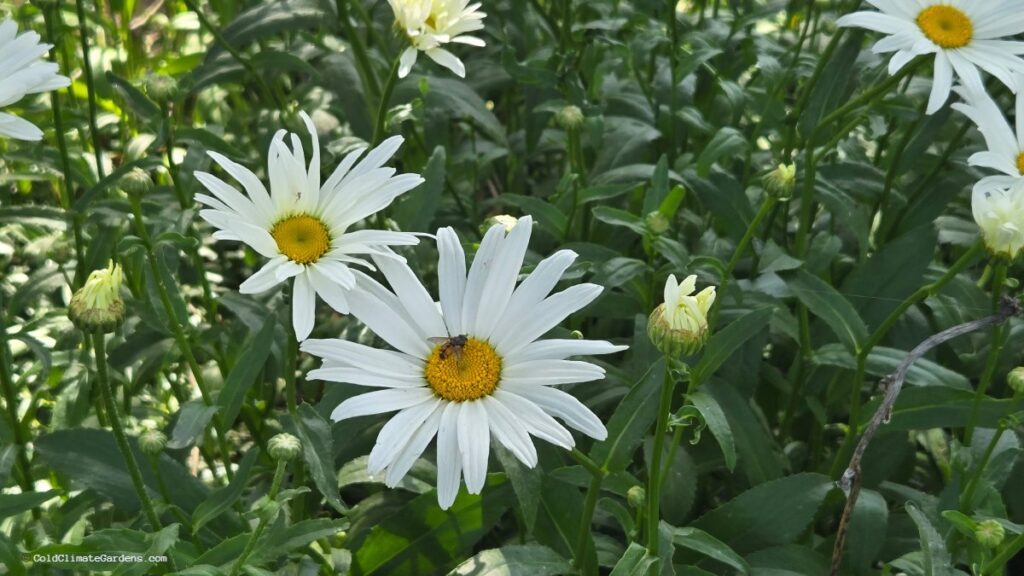
Have you been looking for a flower that blooms like sunshine, attracts pollinators, laughs at deer and rabbits, and comes back year after year with very little fuss? If so, I think you’re going to fall in love with the Alaskan Shasta Daisy. It has certainly earned a permanent place in my garden over the past twenty years.
There are some flowers that I enjoy growing simply because they’re beautiful, and then there are those special plants that seem to do it all. The Alaskan Shasta Daisy belongs in that second category. With its bright white petals and sunny yellow centers dancing in the breeze, it brings cheer to every flower bed it calls home.
For me, these daisies aren’t just another perennial. They’ve become one of those dependable garden friends that I know will show up every summer and put on a beautiful display. They ask for very little in return and reward me with months of blooms, pollinator visits, and gorgeous bouquets for my kitchen table.
If you’ve been hesitant to grow flowers because you’re gardening in Zones 3 through 5, don’t let that stop you. The Alaskan Shasta Daisy is well worth adding to your cold climate garden.
(Add a photo here of the daisies blowing in the breeze.)
Why I Love Alaskan Shasta Daisies
I’ve been growing Alaskan Shasta daisies for more than twenty years. What began as only two small plants has slowly expanded into several of my flower beds. Today you’ll find them growing in my front flower gardens and sprinkled throughout my wildflower beds.
One of my favorite things about them is watching them sway in the summer breeze. There is something wonderfully peaceful about seeing dozens of white blooms gently dancing in the sunshine while bees and butterflies move from flower to flower.
I also appreciate that they’re hardworking plants. Not only are they beautiful, but they’re deer resistant, rabbit resistant, drought tolerant once established, and loved by pollinators. That’s quite an impressive list for such an easy-going perennial.
As cold climate gardeners, we often have to choose our plants carefully. Our growing season is short, and I don’t know about you, but I don’t want to spend my summers babying difficult plants. The Alaskan Shasta Daisy fits perfectly into a low-maintenance garden while still providing plenty of beauty.
Growing Information
USDA Zones: 3–9
Bloom Time: Early summer through late summer
Mature Height: 3 to 4 feet
Spread: 1 to 2 feet
Sun Requirements: Full sun
Water Needs: Average
Deer Resistant: Yes
Rabbit Resistant: Yes
Pollinator Friendly: Yes
Cut Flower: Excellent
Cold Hardy: Yes
How to Plant Alaskan Shasta Daisies
Shasta daisies are wonderfully easy to plant. They perform best when they’re given plenty of sunshine and good drainage.
Choose a location that receives at least six hours of direct sunlight each day. While they can tolerate partial shade, you’ll usually enjoy stronger stems and more abundant blooms when they’re planted in full sun.
Plant your daisies approximately one to two feet apart depending on the variety you’re growing. Giving them enough space allows for good air circulation and gives them room to expand over time.
When planting:
Loosen the soil well before planting.
Mix compost or organic matter into the planting area.
Dig a hole slightly larger than the root ball.
Place the plant so the top of the root ball is level with the surrounding soil.
Backfill gently with soil.
Firm the soil lightly to remove air pockets.
Water thoroughly after planting.
Continue watering newly planted daisies regularly until they become established.
The wonderful thing about these plants is that they aren’t particularly fussy. Give them sunshine, decent soil, and moderate water, and they’ll happily reward you year after year.
Soil Requirements
Alaskan Shasta daisies prefer rich, well-draining soil. One thing they don’t appreciate is sitting in soggy conditions.
Poor drainage can lead to root rot, particularly during wet seasons. If your garden tends to remain overly moist, consider amending the soil with compost before planting.
For container gardening, use a good quality all-purpose potting mix that provides excellent drainage.
I’ve found that adding compost every spring keeps my plants happy without requiring much additional effort.
Watering Needs
Once established, Shasta daisies are moderately drought tolerant, making them an excellent choice for busy gardeners.
During their first growing season, regular watering is important while they’re establishing healthy root systems. After that, they’ll usually do quite well with average watering.
During prolonged periods of hot, dry weather, I recommend watering more frequently. Container-grown plants will naturally require additional watering since they tend to dry out more quickly.
A good rule of thumb is to water deeply rather than frequently. Deep watering encourages stronger root development and healthier plants overall.
Remember, wet feet are one thing these plants don’t enjoy.
Fertilizing Your Plants
More fertilizer isn’t always better when growing Shasta daisies.
Over-fertilizing can actually encourage excessive leafy growth at the expense of blooms. These plants are happiest when we avoid loving them a little too much.
Each spring I recommend applying one of the following:
A thin layer of compost around the base of the plant
A slow-release all-purpose fertilizer
A monthly application of water-soluble fertilizer throughout spring and summer if needed
For most home gardens, compost alone often provides everything these beauties need.
Supporting Taller Varieties
Some varieties can become quite tall, especially when grown in partial shade or particularly rich soil.
If your plants begin leaning or flopping, don’t worry—there’s an easy solution.
I like using peony rings with grow-through grids to provide support when necessary. They do an excellent job of keeping the stems upright while remaining nearly invisible once the plants fill out.
Proper spacing and planting in full sun can also help develop sturdier stems naturally.
Pollinator Power
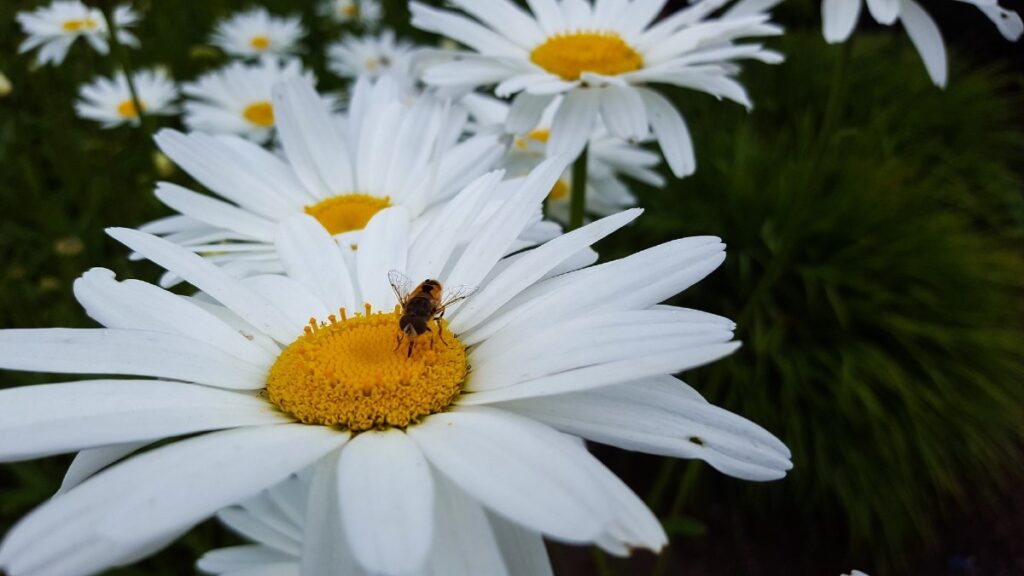
One of my greatest joys as a gardener is watching pollinators visit my flower beds throughout the summer.
Most gardeners grow Shasta daisies because they’re beautiful—and they certainly are—but these cheerful flowers offer so much more than their good looks.
While Shasta daisies aren’t North American natives, they still support an impressive diversity of beneficial insects in the garden. Throughout the growing season you’ll often find:
Honey bees
Native bees
Bumblebees
Butterflies
Hoverflies
Beneficial pollinating insects
There is something magical about stepping into your garden on a summer morning and hearing the gentle hum of busy pollinators going about their work.
By planting pollinator-friendly flowers throughout our gardens, we’re helping support these important visitors while creating beautiful spaces for ourselves to enjoy.
Deer and Rabbit Resistance
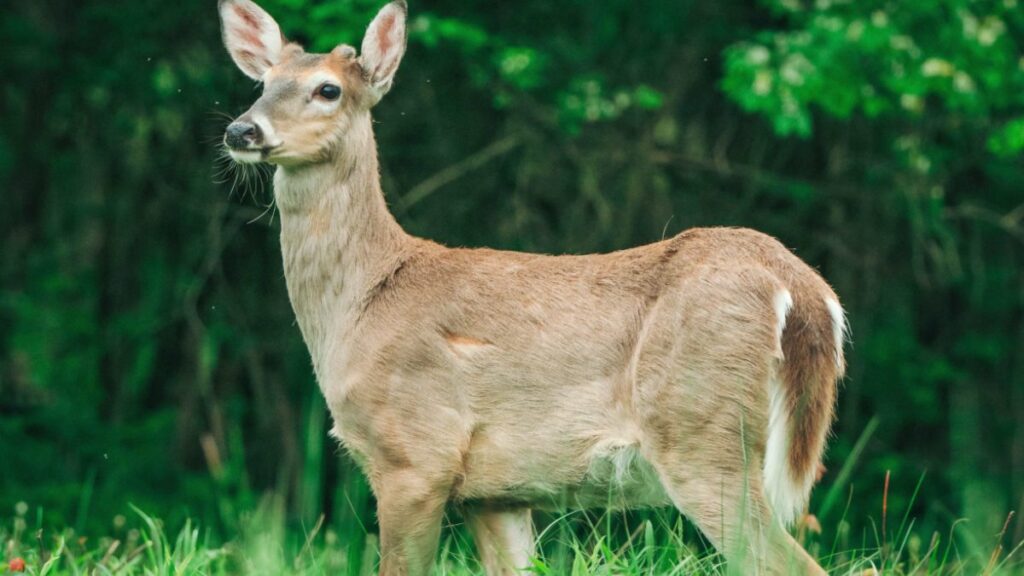
Living in the mountains has taught me many things about gardening, and one of those lessons is that hungry wildlife can quickly turn our flower beds into an expensive buffet.
Fortunately, Alaskan Shasta daisies are highly resistant to both deer and rabbits.
Notice I said resistant—not deer proof.
When food sources are scarce, deer will occasionally sample almost anything. However, I’ve found Shasta daisies to be one of my more dependable deer-resistant perennials over the years.
If deer are regular visitors in your garden, pairing Shasta daisies with other deer-resistant favorites can help create beautiful flower beds that require less protection.
Perfect for Cut Flowers
If you enjoy bringing flowers indoors, you’re going to love growing Shasta daisies.
Their long, sturdy stems make excellent cut flowers that last beautifully in arrangements. I enjoy mixing them with other cottage garden favorites throughout the summer months.
Their cheerful blooms have a way of brightening an entire room.
The more you cut and deadhead spent blooms, the more flowers you’ll often encourage throughout the season—a wonderful bonus for gardeners who enjoy both their outdoor and indoor beauty.
Deadheading and Garden Maintenance
One of the reasons I recommend Alaskan Shasta daisies for beginning gardeners is because they’re wonderfully low maintenance.
Deadheading spent flowers throughout the growing season helps prolong blooming and keeps plants looking tidy.
At the end of the season, you have two options:
Cut plants back in the fall.
Leave portions of the stems standing for pollinator habitat.
Here’s one of my favorite gardening facts about Shasta daisies—their flower stalks are hollow.
Those hollow stems provide excellent overwintering habitat for many of our smaller native bee species. If possible, consider leaving some stems standing until spring before cleaning up your flower beds.
Sometimes the best thing we can do for pollinators is simply allow nature to do what it does best.
Overwintering in Cold Climate Gardens
Cold climate gardeners are always thinking about winter, aren’t we?
Fortunately, Alaskan Shasta daisies are quite hardy. In colder regions, I recommend cutting plants back in late fall and applying several inches of mulch over the crown for additional winter protection.
Mulching helps insulate the plant from extreme temperature fluctuations during winter and can improve its chances of returning healthy and vigorous in spring.
As always, good drainage remains especially important during the winter months.
🌿My Final Thoughts
After more than twenty years of growing Alaskan Shasta daisies, I still smile every time I see them blooming in my garden. They’re cheerful without being fussy, beautiful without demanding constant attention, and beneficial to both gardeners and pollinators alike.
If you’re looking for a dependable perennial for your Zone 3, 4, or 5 garden, I would encourage you to give them a try. Whether you plant two or twenty, I have a feeling you’ll quickly understand why they’ve become one of my favorite flowers.
Sometimes the simplest flowers are the ones that bring us the greatest joy. Watching these beautiful white blooms dancing in the summer breeze while bees and butterflies stop by for a visit reminds me that gardening isn’t only about growing plants—it’s about creating spaces that bring life, beauty, and peace to our everyday moments.
Happy Gardening!
Debbie 🌿❄️🌸
Cold Climate Gardens
Helping Zone 3 & 4 Gardeners Grow with Confidence