
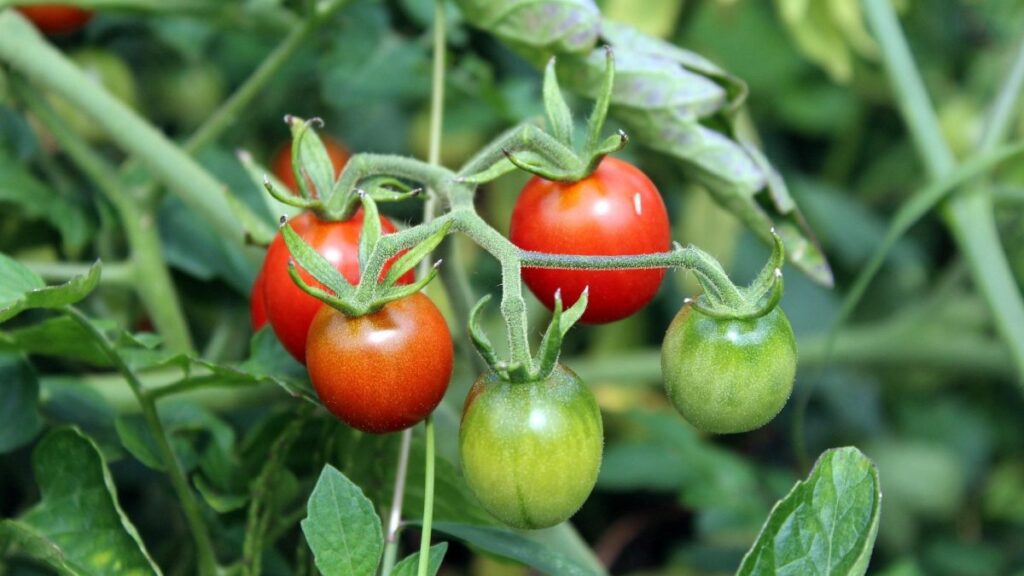
Have you ever wondered if it’s possible to grow beautiful, ripe tomatoes in a cold climate with a short growing season? If you’re gardening in Zones 3–5, especially Zones 3 and 4, the answer is yes! With the right varieties, proper timing, and a few simple techniques, you can enjoy homegrown tomatoes right from your backyard garden.
When I first moved to the mountains of Idaho over 30 years ago, I quickly learned that cold climate gardening requires a different approach. Our growing season is much shorter than many gardeners enjoy, which means every day matters. Tomatoes are one of the most rewarding crops to grow, but they do require a little planning in our colder climates.
The good news is that growing tomatoes successfully isn’t difficult once you understand what they need. Whether you’re growing them in raised beds, containers, greenhouses, or directly in the garden, I’ll walk you through the simple steps that have worked well for me over the years.
Choose the Right Tomato Varieties
If I could give beginning gardeners only one piece of advice about growing tomatoes in a cold climate, it would be this—choose the right variety!
The biggest mistake I see new gardeners make is purchasing large slicing tomatoes that require 90 to 100 days to mature. Unfortunately, our growing seasons don’t always cooperate with those longer-season varieties.
Instead, look closely at the seed packet or plant tag for the “Days to Maturity.” In Zones 3 and 4, I recommend choosing varieties that mature in fewer than 80 days whenever possible. There are many excellent cold climate varieties available that mature in as little as 55 to 80 days.
Some characteristics to look for include:
• 55–80 days to maturity
• Early-producing varieties
• Determinate or compact tomatoes for containers
• Cold climate or northern garden varieties
• Cherry tomatoes, which often ripen earlier than larger tomatoes
Cherry tomatoes are wonderful choices for beginning gardeners because they’re usually prolific producers and tend to mature more quickly. Even in years when our weather isn’t ideal, I’ve found that cherry tomatoes are often among the first to reward us with ripe fruit.
Remember, there’s nothing more frustrating than watching beautiful green tomatoes sit on the vine in September while you’re anxiously watching the weather forecast for frost warnings!
Start Your Seeds Indoors
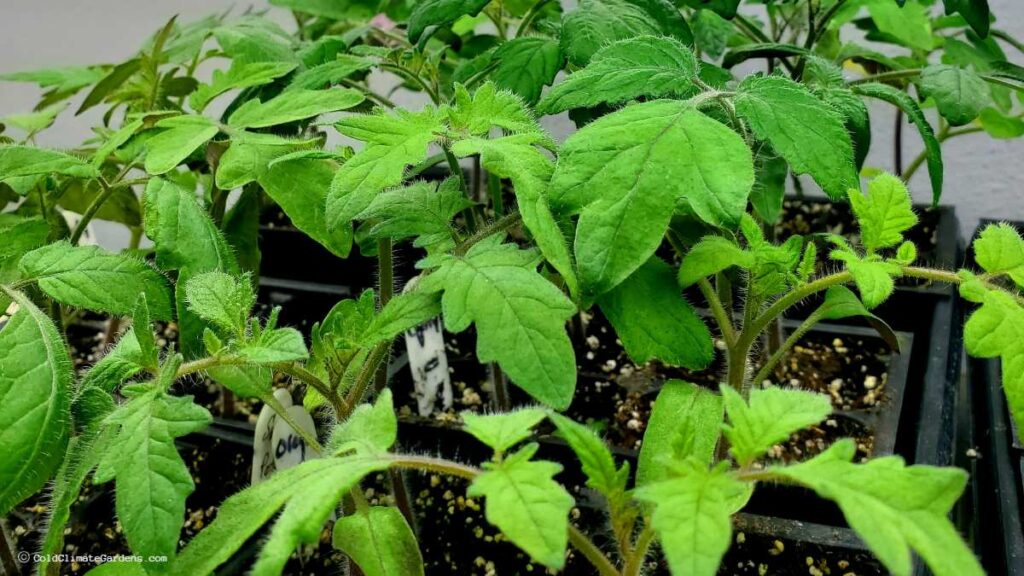
Tomatoes love warm weather, which means we need to give them a head start indoors.
I recommend starting your tomato seeds six to eight weeks before your area’s last frost date. Knowing your first and last frost dates is one of the most important pieces of information you’ll have as a cold climate gardener.
(Be sure to check out my blog post: Finding Your First and Last Frost Dates.)
There are several ways to successfully start tomato seeds indoors:
• Sunny windowsills
• Shelving units with grow lights
• Seed starting systems with heat mats
• Small indoor greenhouses
While tomatoes will germinate without a heat mat, I’ve found that they germinate much more quickly and consistently when provided with a little extra warmth.
Once your seedlings emerge, provide plenty of light. Leggy seedlings are usually a sign they aren’t receiving enough light. Grow lights placed just a few inches above your seedlings can make a tremendous difference in producing strong, healthy plants.
Don’t forget to gently brush your hand across the tops of your seedlings every few days or provide a small fan nearby. This simple technique helps strengthen their stems and better prepares them for life outdoors.
Harden Off Your Tomato Plants
Before moving your tomato plants into the garden, they’ll need time to adjust to outdoor conditions. This process is called hardening off and is often overlooked by beginning gardeners.
About seven to ten days before planting, begin placing your seedlings outside in a protected area for short periods. Gradually increase both their exposure to sunlight and the amount of time spent outdoors each day.
Suddenly moving seedlings from the comfortable environment inside your home to full sun and wind can stress or even kill young plants.
Taking a little extra time during this step will help ensure healthier, stronger tomato plants throughout the growing season.
(Be sure to check out my blog post: Harding Off Seedlings.)
Plant Tomatoes at the Right Time
One of the hardest lessons I’ve learned as a cold climate gardener is that patience usually pays off. It can be incredibly tempting to plant tomatoes outside when we experience those beautiful warm days in May. Unfortunately, Mother Nature often has other plans for us in Zones 3 and 4!
Wait until the threat of frost has passed before planting outdoors. In our area, that’s usually around the second week of June, although your dates may vary.
Tomatoes absolutely love warm soil. In fact, warm soil is often more important than warm air temperatures. I highly recommend investing in an inexpensive soil thermometer. Before planting, your soil should consistently measure at least 60 degrees Fahrenheit. Here is the thermometer I’m currently using: Soil & Compost Thermometer
Waiting a few extra days for the soil to warm can make a tremendous difference in how quickly your tomato plants begin growing.
If you’re gardening in raised beds, you’ll often find that they warm more quickly in the spring than traditional garden beds.
Give Tomatoes a Great Start with Fertilizer
Tomatoes are heavy feeders and appreciate a nutrient-rich beginning.
When planting outdoors, I add approximately one-third cup of a balanced fertilizer with a 5-10-4 ratio to each planting hole. I also like adding crab and lobster shells, which provides calcium and other beneficial nutrients that tomatoes enjoy.
Tomatoes benefit from nutrients such as:
• Calcium
• Magnesium
• Phosphorus
• Potassium
Providing adequate calcium can also help minimize problems such as blossom end rot later in the season. I always recommend following the directions provided on your fertilizer packaging since nutrient levels can vary between products.
Healthy soil produces healthy plants, and healthy plants produce delicious tomatoes!
Give Them Plenty of Sun and Water
Tomatoes love sunshine! Ideally, they should receive six to eight hours of direct sunlight each day. The more sunlight your plants receive, the happier they’ll generally be.
Watering is equally important. Tomatoes prefer deep watering rather than frequent shallow watering. Water deeply at the base of the plant whenever possible and avoid getting the leaves wet.
Keeping the foliage dry helps minimize many common tomato diseases.
I also highly recommend adding mulch around your plants. Mulch offers several benefits including:
• Conserving moisture
• Reducing weeds
• Keeping soil from splashing onto the leaves
• Helping regulate soil temperatures
• Reducing watering needs during hot weather
In cold climates, we can experience surprisingly dry summers, especially during July and August. Don’t assume your tomatoes have adequate moisture simply because they looked fine yesterday. Take a few moments to check your soil regularly.
Container-grown tomatoes will need more frequent watering than those planted directly in the garden.
Use Companion Planting to Your Advantage
Companion planting has become one of my favorite gardening techniques over the years.
Not only does it create beautiful garden spaces, but many companion plants can help attract beneficial insects while minimizing pest problems.
Some of my favorite tomato companions include:
• Basil
• Marigolds
• Chives
• Nasturtiums
Basil has long been a favorite companion plant for tomatoes and makes a delicious addition to summer recipes.
Marigolds help attract beneficial insects while adding cheerful color throughout the garden.
Chives are easy to grow and can help discourage unwanted pests.
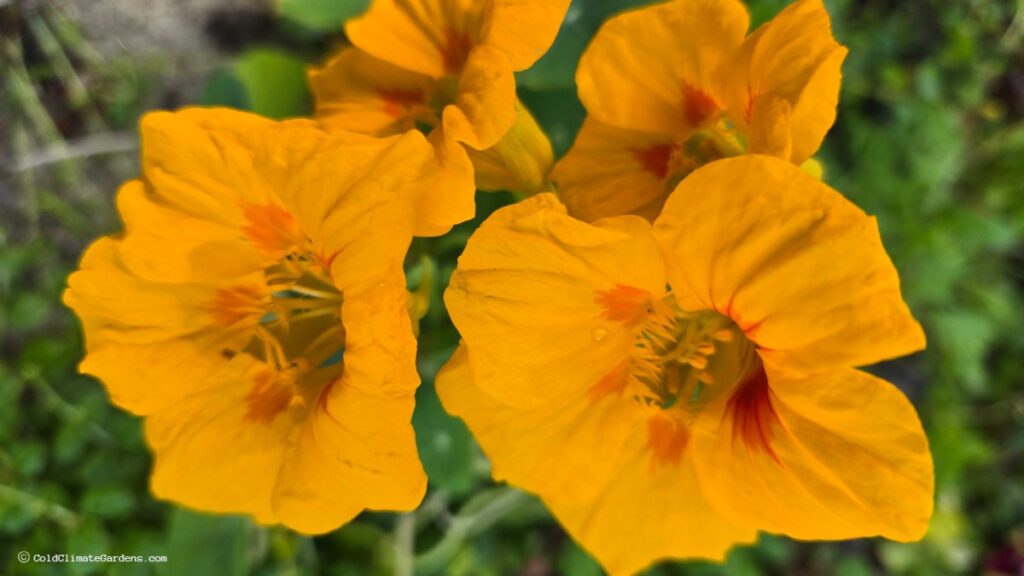
My favorite multi-purpose companion plant has to be nasturtiums. They’re absolutely beautiful while serving several important functions in the garden. Nasturtiums can act as trap crops by attracting aphids away from your vegetables while helping repel pests such as whiteflies and cucumber beetles. Their bright blooms also attract beneficial pollinators and predatory insects like ladybugs.
As an added bonus, nasturtium flowers are edible and make lovely additions to summer salads!
Companion planting is one of those simple gardening practices that offers tremendous benefits while making your garden even more beautiful.
Trim the Bottom Leaves for Healthier Plants
One simple task that can significantly improve tomato health is removing the bottom leaves of your plants. This practice, often called bottom pruning, creates a barrier between the soil and the plant’s foliage.
There are several benefits to trimming the lower leaves:
• Improves airflow around the plant
• Helps prevent fungal diseases
• Reduces soil splash during watering
• Allows the plant to focus more energy on producing fruit
• Helps tomatoes ripen more efficiently
I usually remove leaves from the lower six to eight inches of the stem once the plants become established. Be careful not to remove too much foliage at one time, especially on young plants.
Good airflow is incredibly important in preventing disease, particularly during humid or rainy weather. A few minutes spent pruning can save you a great deal of frustration later in the growing season.
A Few Bonus Cold Climate Tips
Over the years, I’ve learned a few additional tricks that can make growing tomatoes even easier in cold climates.
• Cover plants if unexpected frost threatens.
• Use tomato cages or stakes early to support growing plants.
• Harvest tomatoes before a hard frost if necessary and allow them to finish ripening indoors.
• Consider growing tomatoes in a greenhouse or hoop house if you have an especially short growing season.
•Remove flowers late in the season if they don’t have enough time to mature into fruit before frost.
Remember that gardening is always a learning experience. Some years will be more productive than others, and that’s perfectly okay. Every season teaches us something new.
🌿My Final Thoughts
Growing tomatoes in Zones 3–5 may require a little extra planning, but I promise it’s worth it. There is nothing quite like picking your very first sun-warmed tomato from the garden and knowing you grew it yourself.
Don’t let a short growing season discourage you from trying. Choose early varieties, start seeds indoors, wait patiently for warm soil, and give your plants plenty of sunshine and water. Before you know it, you’ll be harvesting tomatoes for summer salads, sandwiches, and homemade sauces.
Cold climate gardeners are some of the most creative and resilient gardeners I know. We may have shorter seasons, but with the right techniques, we can grow incredible gardens.
Happy Gardening!
Debbie 🌿❄️🌸
Cold Climate Gardens
Helping Zone 3 & 4 Gardeners Grow with Confidence