
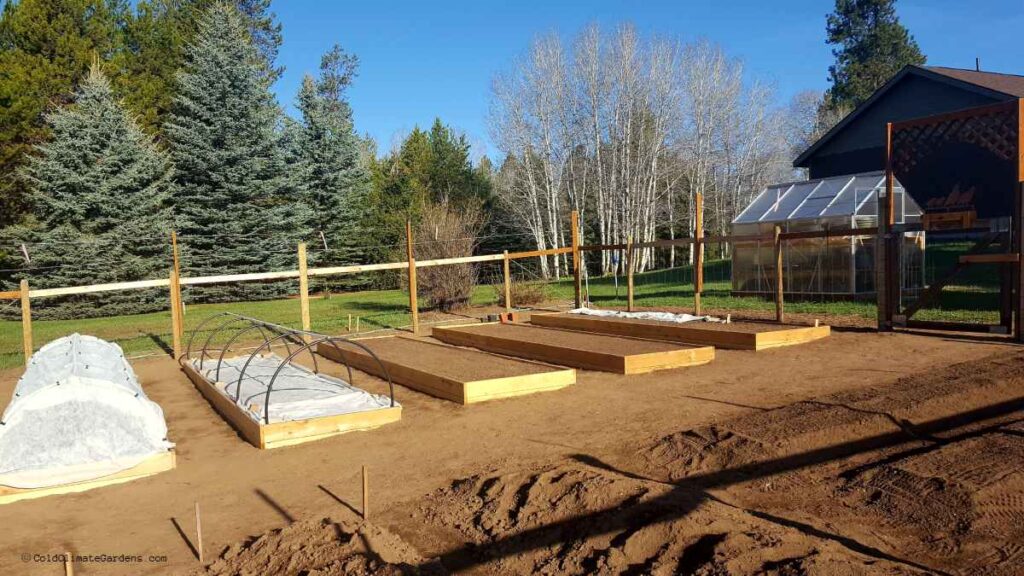
If you’ve spent any time researching gardening, you’ve probably noticed that raised garden beds seem to be everywhere. They look beautiful, they’re easy to maintain, and many gardeners swear by them. But are they really the best option for those of us gardening in cold climates?
After gardening in the mountains of Idaho for over 30 years, I’ve learned that there isn’t a one-size-fits-all answer. Raised beds have many advantages, but they also come with a few challenges when you’re dealing with a short growing season, late spring frosts, and long, cold winters.
Let’s take a closer look so you can decide if raised beds are the right fit for your garden.
What Are Raised Garden Beds?
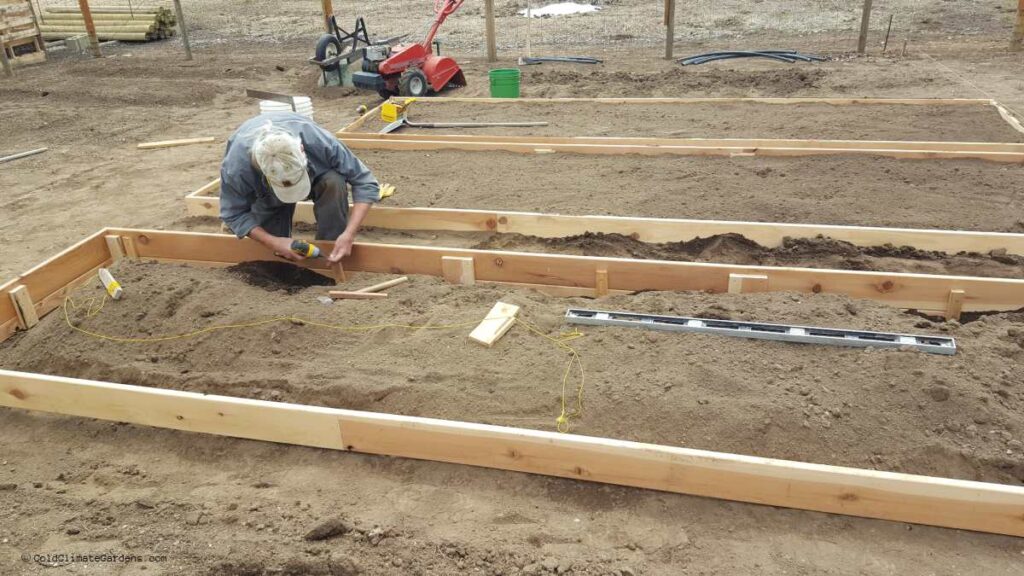
A raised garden bed is simply a growing area where the soil sits above ground level, usually surrounded by wood, metal, or another sturdy material. Most raised beds are between 8 and 18 inches deep, although they can be built higher if needed.
Because you fill them with your own soil mix, you have much more control over soil quality, drainage, and fertility than you would with traditional in-ground gardens.
The Advantages of Raised Beds in Cold Climates
The Soil Warms Up Earlier
One of the biggest benefits in Zones 3–5 is that raised beds warm up faster in the spring. Since the soil is elevated above the surrounding ground, it absorbs heat more quickly after the snow melts.
That can mean getting cool-season crops like lettuce, spinach, peas, radishes, and carrots planted a little earlier.
In a short growing season, every extra week counts.
Better Drainage
Spring often brings snowmelt and rainy weather. Raised beds drain much faster than heavy clay or compacted soil, which helps prevent roots from sitting in cold, soggy ground.
Healthy roots lead to healthier plants.
Easier Weed Control
Because you start with fresh soil, you’ll usually have fewer weeds than you would in an established garden.
I still pull weeds regularly, but I definitely appreciate having fewer of them to deal with.
Better Soil Quality
One of my favorite things about raised beds is being able to build rich, healthy soil from the beginning.
Adding compost, aged manure, leaf mold, and other organic matter creates an environment where vegetables and flowers can really thrive.
Healthy soil also holds moisture better while still providing excellent drainage.
Less Bending and Kneeling
Gardening should be enjoyable, not painful.
Raised beds make planting, weeding, and harvesting much easier on your back and knees, especially if you build them a little taller.
As we get older, that’s a benefit many gardeners appreciate.
A Few Challenges to Consider: Raised beds aren’t perfect, especially in cold climates.
They Dry Out Faster
Because they’re elevated, raised beds lose moisture more quickly than in-ground gardens.
During the heat of summer, you’ll likely need to water more often, especially if you’re growing vegetables.
A layer of mulch helps hold moisture and keeps the soil temperature more consistent.
They Can Freeze More Deeply
During our long Idaho winters, raised beds freeze from both the top and the sides.
That’s usually not a problem for annual vegetables, but perennial plants may need extra winter protection depending on the variety.
Adding mulch after the ground freezes can help insulate plant roots.
The Initial Cost
Building raised beds does require an upfront investment.
You’ll need lumber or another building material, quality soil, compost, and hardware.
While the cost may seem high initially, many raised beds last for years, making them a worthwhile investment over time.
What Should You Grow in Raised Beds?
I’ve found raised beds work especially well for:
• Lettuce
• Spinach
• Carrots
• Beets
• Radishes
• Peas
• Onions
• Herbs
• Strawberries
Many gardeners also grow tomatoes, peppers, cucumbers, and squash successfully in raised beds, especially when paired with row covers, hoops, or a simple greenhouse to extend the growing season.
For my own garden, I like using a combination of raised beds and traditional garden space.
Raised beds are perfect for vegetables that benefit from loose soil and easy maintenance, while larger crops like potatoes often do just fine planted directly in the ground.
Every garden is different. Your available space, soil conditions, budget, and growing goals will all help determine what works best for you.
The nice thing is that you don’t have to choose one or the other. Many cold-climate gardeners find that a combination gives them the best of both worlds.
My Final Thoughts
If you’re gardening in Zones 3–5, raised beds can be an excellent investment. They warm up earlier in spring, improve drainage, make gardening easier on your body, and allow you to create rich, healthy soil from the start. We built our raised beds to stop water from running out of the beds, as our garden is on a slight slope towards the south. We were always watering some of the planted seeds into the walk way.
Like any gardening method, they do require regular watering and some upfront planning, but many gardeners find the benefits far outweigh the drawbacks.
The most important thing is finding a gardening system that works for your climate and your lifestyle. Gardening should be enjoyable, and every season is another opportunity to learn what works best in your own backyard.
Have you tried raised garden beds?
I’d love to hear about your experience! Do you prefer raised beds, traditional garden rows, or a combination of both? Share your thoughts in the comments below.
If you’re new to cold climate gardening, be sure to subscribe to the Cold Climate Gardens newsletter for practical tips, seasonal advice, and simple techniques to help you grow a beautiful, productive garden—even with a short growing season.
Happy Gardening!
Debbie 🌿❄️🌸
Cold Climate Gardens
Helping Zone 3 & 4 Gardeners Grow with Confidence