If you’ve ever planted something that looked beautiful at the garden center — only to watch it struggle or die after winter — you’re not alone.
One of the most important concepts every gardener should understand is the USDA Hardiness Zone. Once you know your zone, choosing plants becomes easier, gardening feels less frustrating, and your success rate increases dramatically.
Let’s break it down simply.
? What Is a USDA Hardiness Zone?
The United States Department of Agriculture (USDA) created hardiness zones to help gardeners understand which plants can survive winter temperatures in their area.
Hardiness zones are based on:
• Average annual minimum winter temperature
• Long-term climate data
• Regional growing conditions
⋆ Think of it as a plant survival map.
Each zone represents a 10°F temperature difference, divided further into A and B subzones (5°F differences).
Example:
• Zone 4 = very cold winters
• Zone 7 = moderate winters
• Zone 10 = mild winters
✔Find Your Hardiness Zone
Before buying plants, always check your zone.
Official USDA Hardiness Zone Map:
USDA Plant Hardiness Zone Map
Simply enter your ZIP code to see your exact planting zone.
◙ Why Hardiness Zones Matter
Knowing your zone helps you:
✅ Choose plants that survive winter
✅ Avoid wasting money on unsuitable plants
✅ Plan planting dates more confidently
✅ Grow perennials that return year after year
For cold-climate gardeners especially, this knowledge can mean the difference between thriving gardens and constant disappointment.
What Hardiness Zones Do NOT Tell You
Here’s where many beginners get confused. Your hardiness zone does not account for:
• Frost dates
• Summer heat
• Wind exposure
• Soil quality
• Snow cover
• Microclimates in your yard
Two gardeners in the same zone can still have very different results.
Example:
• A south-facing wall may act like a warmer zone
• Low spots collect frost and behave colder
🌸 How to Read Plant Labels Using Zones
When you see a plant tag that says:
“Hardy to Zone 4” It means:
• The plant can typically survive winters down to Zone 4 temperatures or warmer.
Quick rule:
👉 Your zone number must be equal to or higher than the plant’s minimum zone.
Examples:
• Zone 5 gardener → can grow Zone 3–5 plants
• Zone 4 gardener → should avoid Zone 6 plants outdoors
❄️ Cold Climate Gardening Tip
Gardeners in colder regions often succeed by:
• Choosing plants one zone hardier than their location
• Using mulch for winter protection
• Planting in sheltered locations
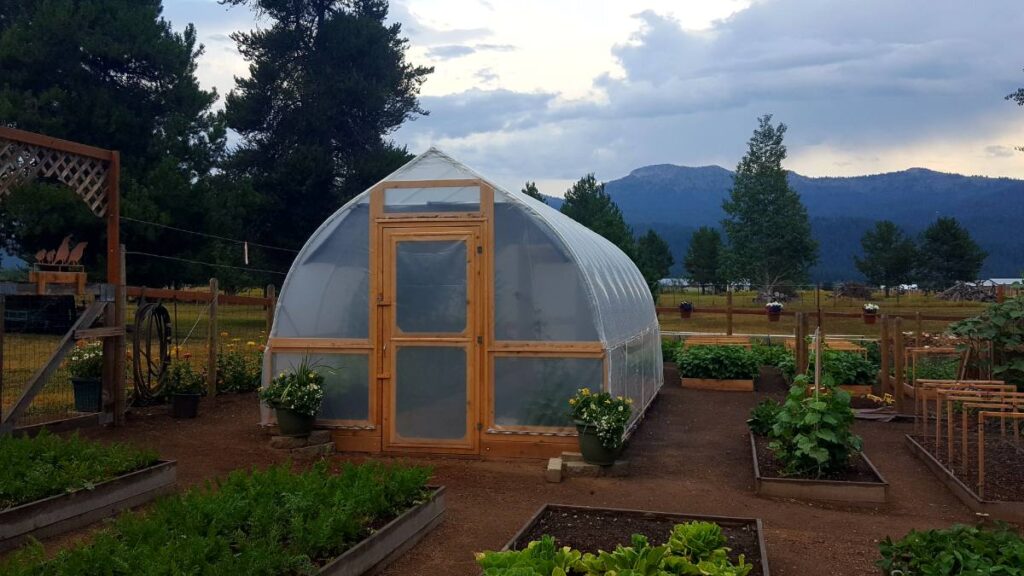
• Extending seasons with hoop houses or greenhouses
These small adjustments dramatically improve plant survival rates.
🌼 Hardiness Zones vs Growing Zones (Common Myth)
You may hear terms like:
• Growing zone
• Climate zone
• Gardening zone
Most of the time, gardeners are referring to the USDA Hardiness Zone, which focuses specifically on winter survival, not the entire growing season.
🌱 My Thoughts
Understanding hardiness zones is one of the fastest ways to garden smarter instead of harder.
Once you start choosing plants suited to your climate, gardening becomes:
✔ Less guesswork
✔ Less plant loss
✔ More confidence
✔ More beauty year after year
Happy Gardening!
Debbie 🌿❄️🌸
Cold Climate Gardens
Helping Zone 3 & 4 Gardeners Grow with Confidence