
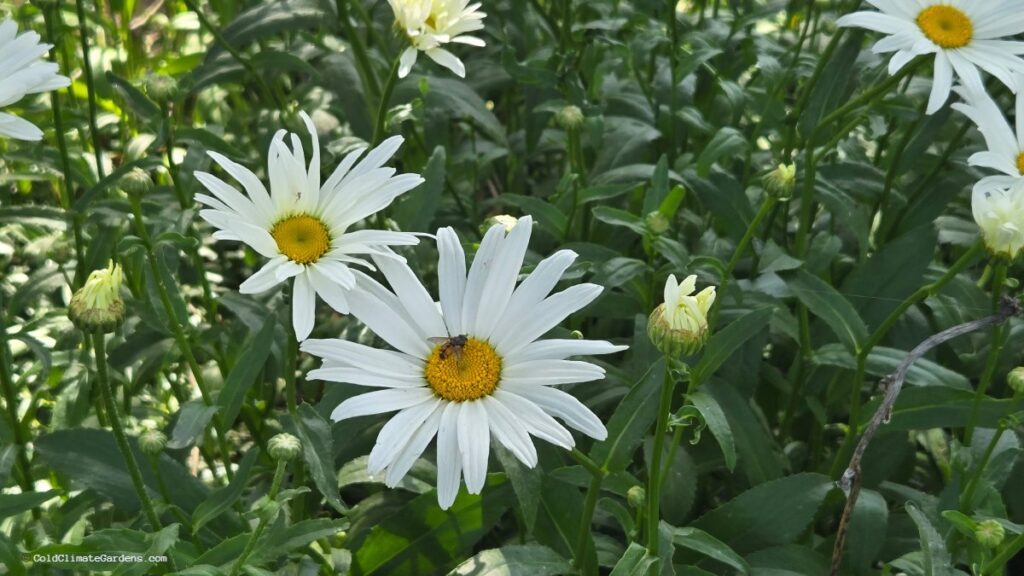
Trying to figure out how to attract more pollinators to your vegetable and flower gardens? The good news is that you don’t need a large garden or expensive landscaping plans to make it happen. With a few simple changes, you can create a welcoming space for bees, butterflies, hummingbirds, and other beneficial pollinators that will help your garden thrive all season long.
Simple Ways to Make Your Garden More Pollinator Friendly
Pollinators play a vital role in our gardens. They help pollinate many of our vegetables, fruits, and flowers while adding beauty and movement to our outdoor spaces. The good news is that creating a pollinator-friendly garden is easier than you might think.
Here are some simple ways you can welcome more pollinators into your garden.
Choose Native Plants 🌼
Native plants are often the best choice for pollinators because they have adapted to your local climate, soil conditions, and native insects over thousands of years. They provide highly nutritious sources of pollen and nectar while requiring less maintenance once established.
If you’re unsure which native plants grow well in your area, your local extension office or native plant society can be wonderful resources. Even adding a few native plants to your existing flower beds can make a big difference.
Plant for Continuous Blooms 🪻🌺
Pollinators need food throughout the growing season, not just during the height of summer. By planning for continuous blooms, you’ll provide a reliable source of nectar and pollen from spring until frost.
Spring Bloomers:
✅ Willow
✅ Serviceberry
✅ Lilac
✅ Potentilla
Summer Bloomers:
✅ Coneflowers
✅ Bee Balm
✅ Black-Eyed Susan
✅ Milkweed (a favorite of Monarch butterflies)
Fall Bloomers:
✅ Asters
✅ Goldenrod
✅ Sedum – Autumn Joy
Having flowers blooming all season long not only benefits pollinators, but it also keeps your garden looking beautiful for months.
Design for Your Pollinators
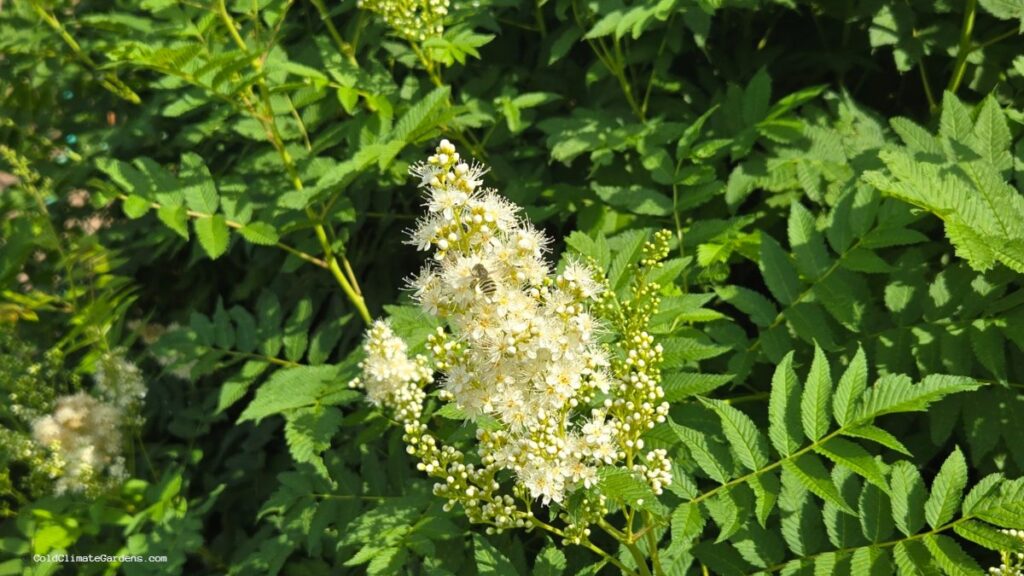
Different pollinators are attracted to different flower shapes, colors, and growing habits.
Bees and Butterflies 🐝🦋
Bees and butterflies are drawn to open, flat flowers and tend to favor bright colors such as blues, purples, and yellows. One simple trick is to plant flowers in groups or drifts of at least three to five plants. Large groupings are easier for pollinators to spot and provide a more efficient feeding area.
Hummingbirds 🐦
Hummingbirds love brightly colored tubular flowers, especially reds and oranges. Some excellent choices include:
✅ Columbine
✅ Bee Balm
✅ Cardinal Flower
Pollinators play a vital role in our gardens. They help pollinate many of our vegetables, fruits, and flowers while adding beauty and movement to our outdoor spaces. The good news is that creating a pollinator-friendly garden is easier than you might think.
Here are some simple ways you can welcome more pollinators into your garden.
Don’t Forget the Night Shift
Some of our hardest-working pollinators come out after sunset. Moths are important pollinators and are often overlooked when we’re planning our gardens.
Consider adding a few night-blooming flowers such as:
✅ Night-Scented Stock – Grown as an annual in Zones 3-5 and produces a wonderfully sweet fragrance in the evening.
✅ Evening Primrose – Hardy in Zones 3-9, drought tolerant, and opens its cheerful yellow blooms at dusk.
✅ Night Phlox – Also known as “Midnight Candy,” these tiny flowers smell like vanilla and honey after dark.
Provide Water and Shelter
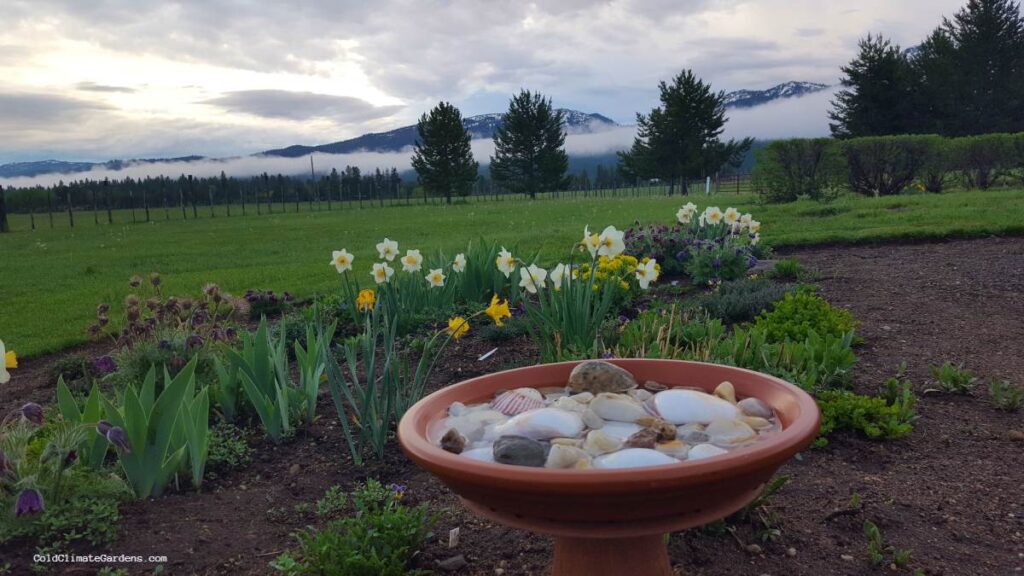
Pollinators need more than flowers. They also need places to rest, hydrate, and safely overwinter.
A shallow dish or birdbath filled with pebbles or marbles creates an easy landing spot for bees and butterflies to drink without drowning. Leaving a small patch of bare soil in your garden provides nesting sites for many native bees.
One of the best things we can do for beneficial insects is to be a little less tidy in the fall. Leave some flower stems standing and allow a layer of leaves to remain in parts of your garden. Many pollinators spend the winter tucked safely inside stems or beneath leaf litter.
Feed the Butterflies
Butterflies enjoy more than nectar. They are often attracted to overripe fruit and mineral-rich moisture.
Try placing slices of overripe bananas, oranges, or other fruit in a shallow dish and watch who stops by for a snack. You can also place a sponge in a shallow dish containing lightly salted water. Using sea salt provides additional micronutrients that many butterflies appreciate.
Add a Hummingbird Feeder
Hummingbirds are wonderful garden visitors and excellent pollinators. If you’d like to attract more of them, consider hanging a hummingbird feeder.
Homemade nectar is simple to make:
• Four parts water
• One part white table sugar
Do not use honey, fruit juice, brown sugar, or artificial sweeteners, as these can be harmful to hummingbirds.
A touch of red on the feeder will help attract their attention. Be sure to clean your feeder with hot, soapy water at least twice a week during warm weather to prevent mold and bacteria from developing.
🌿My Final Thoughts
You don’t need a large garden or elaborate landscaping plans to support pollinators. A few flowering plants, a shallow water source, and some thoughtful garden practices can create a welcoming habitat for bees, butterflies, hummingbirds, and other beneficial insects.
One of the greatest rewards of gardening is watching nature respond to the spaces we’ve created. There is something truly magical about seeing a bee covered in pollen, a Monarch butterfly visiting your milkweed, or a hummingbird hovering just outside your window.
Every flower we plant has the potential to help support these important creatures—and our gardens are better for having them.
Happy Gardening!
Debbie 🌿❄️🌸
Cold Climate Gardens
Helping Zone 3 & 4 Gardeners Grow with Confidence