
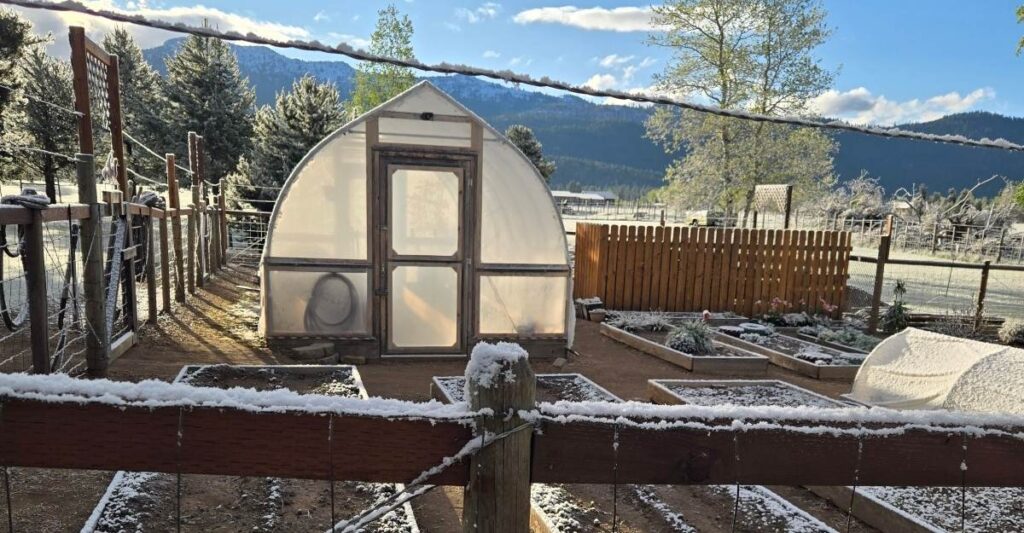
Cold climate gardening can feel intimidating at first — short summers, late frosts, early freezes, and unpredictable weather.
But here’s the truth most beginner gardeners don’t realize:
Cold climates can grow incredibly productive gardens when you work with the season instead of fighting it.
Whether you garden in Zones 3–5 or any northern mountain climate, this beginner guide will show you exactly how to start successfully.
What Is Cold Climate Gardening?
Cold climate gardening refers to growing plants in regions with:
- Short growing seasons
- Long winters
- Frost risk well into spring and fall
- Cooler nighttime temperatures
You can find your exact growing zone using the official USDA Hardiness Zone Map:
☼ USDA Plant Hardiness Zone Map
Knowing your zone helps you choose plants that actually survive and produce.
Why Cold Climate Gardens Can Be Surprisingly Productive
Many beginners assume warm climates grow better gardens — but cool regions have hidden advantages:
✅ Fewer pests
✅ Less plant stress from heat
✅ Better flavor in many vegetables
✅ Longer harvest windows for cool-season crops
Cold climates excel at growing: Lettuce ∼ Kale ∼ Peas ∼ Carrots ∼ Cabbage ∼ Potatoes ∼ Herbs ∼ Berries
❄ Step 1: Start With the Right Plants (The #1 Beginner Mistake)
The biggest reason new gardeners struggle?
Buying plants meant for warm climates.
Look for varieties labeled:
- Short season
- Early harvest
- Frost tolerant
- Cold hardy
Beginner-Friendly Cold Climate Crops: Spinach ∼ Lettuce ∼ Radishes ∼ Peas ∼ Swiss chard ∼ Broccoli ∼ Beets ∼ Cilantro ∼ Green onions
⋆ Pro Tip: Cool-season vegetables often taste sweeter after light frost.
If you want faster success, start with tools that extend your season:
►Recommended Beginner Cold Climate Garden Essentials
- Floating row covers
- Seed starting trays
- Frost blankets
- Cold frames or mini greenhouses
❄Step 2: Understand Frost Dates (Your Garden’s Real Calendar)
Cold climate gardeners don’t garden by months — we garden by frost dates.
You need two key dates:
- Last Spring Frost → safe planting begins
- First Fall Frost → harvest countdown starts
Most beginners wait too long to plant. Many cold-hardy crops can go in the ground 4–6 weeks before last frost.
❄ Step 3: Extend Your Growing Season
The secret experienced cold climate gardeners know:
~ We don’t wait for summer. We create growing conditions.
Easy Season Extension Methods
- Raised beds warm faster in spring
- Hoop houses add 4–8 extra weeks
- Row covers protect from frost
- Greenhouses start plants early
Even simple protection can turn a 90-day season into a 150-day harvest window.
❄ Step 4: Start Seeds Indoors for a Head Start
Because outdoor seasons are short, indoor seed starting is a game changer.
Start indoors:
- Tomatoes — 6–8 weeks early
- Peppers — 8–10 weeks early
- Cabbage family — 4–6 weeks early
This alone can double your harvest.
❄ Step 5: Build Healthy Cold Climate Soil
Cold soils warm slowly, so soil health matters more than almost anything else.
Focus on:
- Compost every season
- Raised beds for drainage
- Mulch to regulate temperature
- Avoid compacted soil
Healthy soil stores warmth and helps roots establish faster.
❄ Step 6: Expect Setbacks (Every Cold Climate Gardener Has Them)
Late snowstorms happen.
June frosts happen.
Unexpected cold snaps happen.
Successful gardeners don’t avoid frost — they prepare for it.
Keep ready:
- Frost blankets
- Buckets or cloches
- Extra mulch
Preparation turns emergencies into minor inconveniences.
Beginner Mindset Shift: Cold Climate Gardening Is About Timing
Warm-climate gardening = heat management.
Cold-climate gardening = timing management.
Once you learn timing, cold regions become incredibly rewarding places to grow food.
Start Your Cold Climate Garden the Easy Way
If you’re just starting, don’t try to figure everything out alone.
► Grab the tools experienced cold-climate gardeners rely on:
- Season extension supplies
- Beginner seed collections
- Raised bed kits
- Frost protection systems
✔Beginner Cold Climate Gardening Checklist
- ✅ Know your USDA zone
✅ Choose cold-hardy plants
✅ Start seeds indoors
✅ Use season extension tools
✅ Learn frost dates
✅ Improve soil every year - Do these six things, and you’ll already be ahead of most new gardeners.
Happy Gardening!
Debbie 🌿❄️🌸
Cold Climate Gardens
Helping Zone 3 & 4 Gardeners Grow with Confidence