
If you garden in a cold climate, you already know the challenges:
Late frosts delay planting.
Summer feels short.
Fall frost arrives just when plants finally thrive.
But experienced cold-climate gardeners know a powerful secret:
♥ You don’t need a longer summer — you need smarter season extension.
With the right techniques, you can add 4–12 extra growing weeks to your garden every year and successfully grow both vegetables and flowers.
❄Why Short Growing Seasons Are Challenging
Cold climate gardens often face:
• Cool spring soil temperatures
• Unpredictable late frosts
• Cold nighttime temperatures
• Early autumn freezes
Many plants struggle not because summer is too short — but because they start too late or end too early.
Season extension solves both problems.
1. Start Seeds Indoors (The Biggest Game Changer)
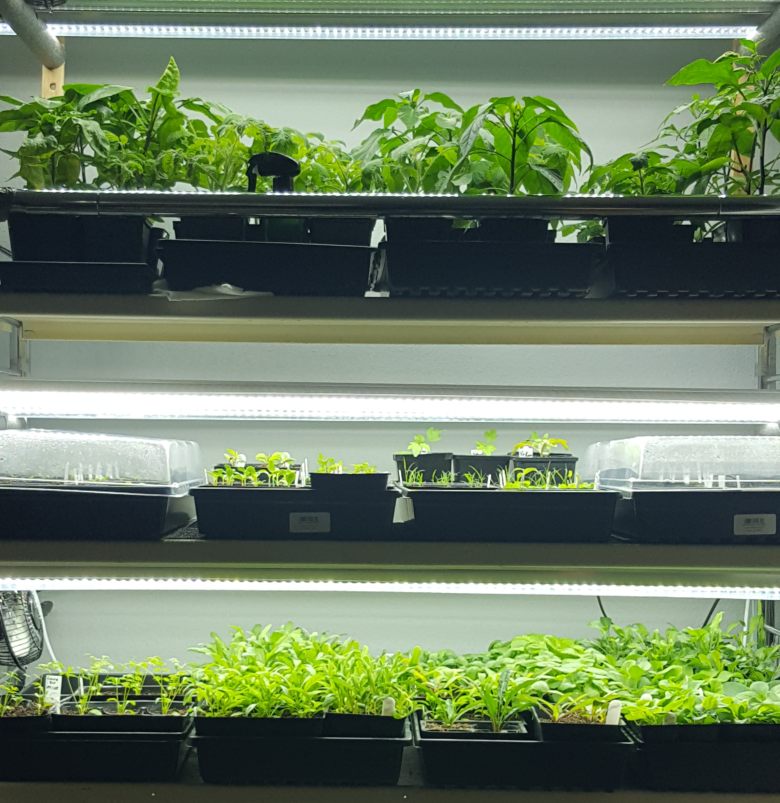
Indoor seed starting gives plants a head start before outdoor conditions are ready.
Instead of waiting for warm weather, your plants are already growing.
Ideal Plants to Start Indoors:
Vegetables
• Tomatoes
• Peppers
• Broccoli
• Cabbage
• Herbs
Flowers
• Zinnias
• Petunias
• Snapdragons
• Marigolds
💡 Starting seeds indoors can extend your season by 6–8 weeks instantly.
2. Use Raised Beds to Warm Soil Faster
Raised beds are one of the easiest ways to garden successfully in cold regions.
Why they work:
✅ Soil drains better
✅ Beds warm earlier in spring
✅ Roots grow faster
✅ Less compaction
Raised beds often allow planting 2–3 weeks earlier than in-ground gardens.
3. Protect Plants With Row Covers & Frost Blankets
Row covers act like a lightweight greenhouse.
They trap warmth while still allowing sunlight and water through.
Benefits
• Protect seedlings from frost
• Reduce wind stress
• Keep insects away
• Add 2–6°F of warmth
This small temperature boost can mean the difference between plant loss and thriving growth.
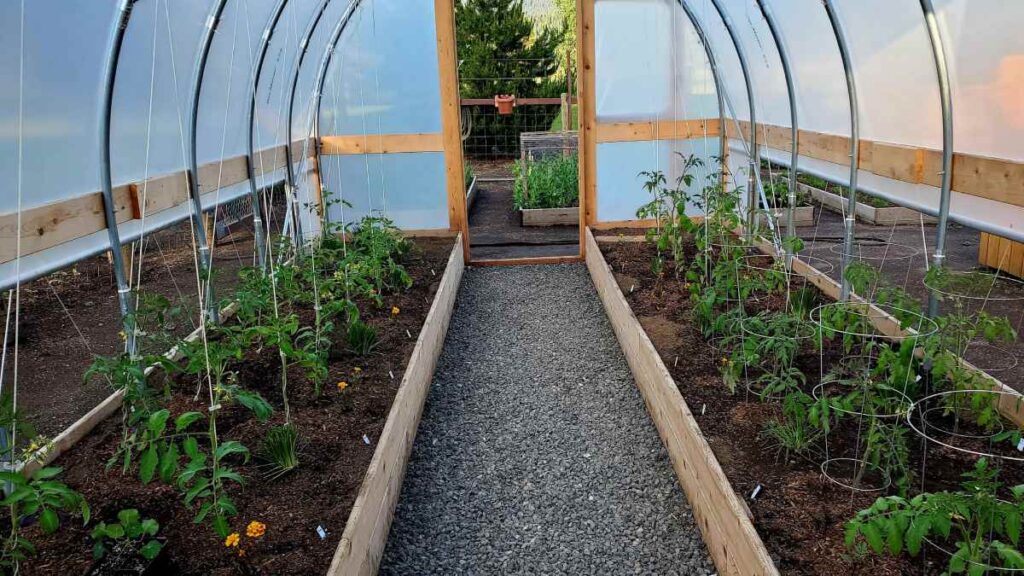
4. Grow Under a Hoop House or Low Tunnel
A hoop house is one of the best investments for cold climate gardening.
It works by trapping daytime heat and protecting plants from nighttime cold.
What You Gain
• Earlier spring planting
• Later fall harvests
• Faster plant growth
• Weather protection
Many gardeners harvest greens weeks after outdoor gardens freeze.
5. Use a Greenhouse for Maximum Season Extension
Greenhouses provide the longest growing window possible.
Even an unheated greenhouse can dramatically extend production.
Ideal Greenhouse Uses
• Starting seedlings early
• Growing heat-loving vegetables
• Overwintering herbs
• Extending flower blooms
In many cold climates, a greenhouse can nearly double your gardening season.
6. Choose Cold-Hardy Plants
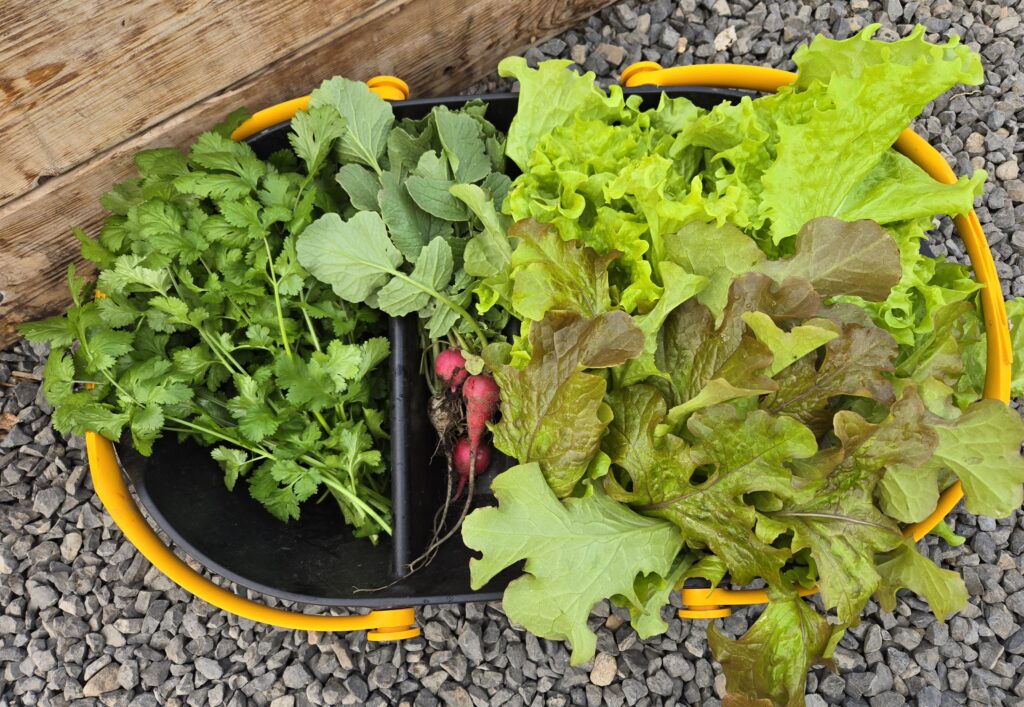
Season extension isn’t just about structures — plant selection matters.
Cold-Hardy Vegetables:
• Kale
• Spinach
• Carrots
• Peas
• Swiss chard
• Cabbage
Cold-Tolerant Flowers:
• Pansies
• Calendula
• Sweet peas
• Dianthus
• Violas
These plants thrive in cool temperatures and often improve in flavor or color after light frost.
7. Extend the Season Into Fall (Most Gardeners Forget This!)
Many beginners focus only on spring. Experienced gardeners plan fall extension too.
Try:
• Planting fall crops in midsummer
• Covering beds before first frost
• Mulching heavily for warmth
You can often harvest greens well into autumn — even early winter.
The Cold Climate Mindset Shift
Successful gardeners stop asking: “When does the season start?”
Instead ask: “How can I grow before and after the season?”
That mindset transforms short growing seasons into incredibly productive gardens.
Happy Gardening!
Debbie 🌿❄️🌸
Cold Climate Gardens
Helping Zone 3 & 4 Gardeners Grow with Confidence