
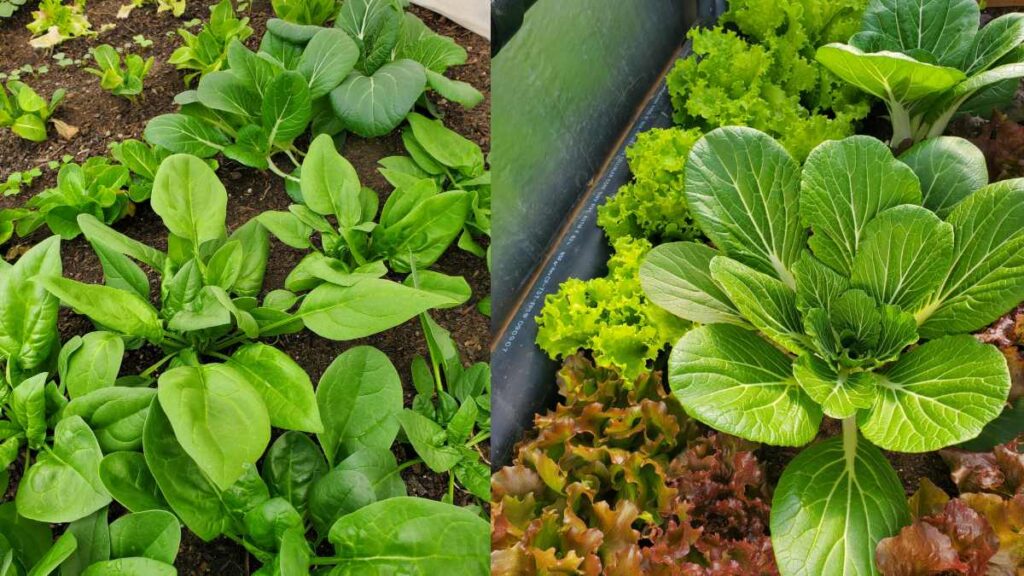
One of the most rewarding ways to create a healthy and productive garden is through companion planting. This time-tested gardening method helps you work with nature rather than against it, creating a thriving garden ecosystem that benefits both plants and pollinators.
Whether you’re growing a small backyard garden or a larger vegetable plot, companion planting can help maximize space, improve soil health, deter common garden pests, and increase harvests naturally.
What Is Companion Planting?
Companion planting is the practice of growing certain plants together because they benefit one another. Some plants attract pollinators, while others repel harmful insects. Certain herbs and flowers can even improve the growth, flavor, and overall health of nearby vegetables.
By incorporating companion plants into your garden, you can reduce your reliance on chemical pesticides and create a more balanced, sustainable growing environment.
My Favorite Companion Planting Combinations
Over the years, I’ve found several companion planting combinations that work exceptionally well in my garden.
1. Basil and Vegetables
Basil is one of the most versatile companion plants in the garden, this is one of my favorite herbs to use.
Plant basil near:
• Tomatoes
• Peppers
• Asparagus
• Lettuce
• Potatoes
Benefits:
• Improves the growth and flavor of tomatoes and peppers
• Helps enhance the health of nearby vegetables
• Repels whiteflies, carrot flies, tomato hornworms, and mosquitoes
Not only is basil useful in the kitchen, but it also serves as a powerful natural pest deterrent.
2. Calendula (Pot Marigold)
Calendula adds beautiful color to the garden while providing valuable pest protection. I’ve been using Calendula in my garden for 20 years or more.
Plant calendula near:
• Asparagus
• Tomatoes
• Potatoes
• Winter squash
Benefits:
• May help deter asparagus beetles
• Repels Colorado potato beetles
• Helps discourage tomato hornworms
• Can reduce harmful nematode populations in the soil
Calendula is also a favorite among pollinators, making it a valuable addition to any vegetable garden.
3. Catmint and Potatoes
Catmint isn’t just attractive to cats—it’s also highly effective in the vegetable garden. Make sure to use sparingly as it may attract cats to your garden.
Plant catmint near:
• Potatoes
Benefits:
• Repels aphids
• Deters Colorado potato beetles
• Helps control cucumber beetles
• Discourages flea beetles and Japanese beetles
This low-maintenance perennial can provide season-long protection for potato crops.
4. Chives and Vegetables
Chives are one of my favorite herbs for companion planting because they are easy to grow and highly beneficial. I plant them with my tomatoes as well as my lettuce plants.
Plant chives near:
• Carrots
• Lettuce
• Peas
• Tomatoes
Benefits:
• Improves carrot growth and flavor
• Repels aphids, spider mites, and flies
• Attracts bees and other beneficial pollinators
As an added bonus, fresh chives are a delicious addition to many meals.
5. Dill and Garden Vegetables
Dill is a hardworking herb that offers multiple benefits in the garden.
Plant dill near:
• Winter squash
• Tomatoes
• Cabbage
Benefits:
• Repels aphids
• Helps deter squash bugs
• Discourages spider mites
• May reduce tomato hornworm populations
• Helps protect against cabbage loopers
Its flowers also attract beneficial insects such as ladybugs and parasitic wasps.
6. Marigolds and Vegetables
Marigolds have earned their reputation as one of the best companion plants for vegetable gardens. I’ve been using marigolds in my vegetable garden for over 20 years, I always plant with my tomatoes.
Plant marigolds near:
• Tomatoes
• Winter squash
Benefits:
• Repels harmful nematodes
• Helps deter tomato hornworms
• Attracts beneficial pollinators
Their bright blooms provide beauty while working hard behind the scenes.
7. Nasturtiums as Trap Plants
Nasturtiums are among the most useful flowers you can grow in a vegetable garden. I’ve just recently started using nasturtiums in my vegetable garden, my granddaughter gave me seeds a couple of years ago and they have become a staple plant.
Plant nasturtiums near:
• Beans
• Cabbage
• Cucumbers
• Radishes
• Winter squash
• Zucchini
Benefits:
• Act as a trap crop by attracting aphids away from vegetables
• Repel whiteflies
• Deter squash bugs
• Help reduce beetle populations
• Discourage cabbage loopers
The edible flowers are an added bonus for gardeners who enjoy homegrown salads.
8. Sweet Alyssum and Peas
Sweet Alyssum is a powerhouse companion plant that deserves a place in every vegetable garden. Its tiny, nectar-rich flowers attract a wide variety of beneficial insects that help keep pest populations under control.
Plant Sweet Alyssum near:
• Peas
• Lettuce
• Brassicas
• Other vegetable crops
Benefits:
• Attracts hoverflies, ladybugs, and green lacewings
• Encourages natural pest control by supporting beneficial insect populations
• Helps reduce aphid infestations
• Attracts pollinators to the garden
• Provides continuous blooms throughout the growing season
Sweet Alyssum is one of my favorite plants in my vegetable garden, I always plant some in my pea bed. The flowers attract beneficial insects that prey on aphids and other garden pests, creating a healthier and more balanced garden ecosystem.
9. Thyme and Vegetable Crops
Thyme is another herb that earns its place in the garden.
Plant thyme near:
• Tomatoes
• Potatoes
• Brassicas such as cabbage and broccoli
Benefits:
• Helps deter tomato hornworms
• Repels flea beetles
• Discourages cabbage worms
This fragrant herb provides both culinary value and natural pest control.
My Thoughts
Companion planting is one of the simplest ways to create a healthier, more productive garden. By strategically placing herbs, flowers, and vegetables together, you can naturally reduce pest problems, attract pollinators, improve plant health, and enjoy bigger harvests.
If you’re new to companion planting, start by adding a few herbs and flowers throughout your garden this season. You may be surprised by how much difference these beneficial plant partnerships can make.