
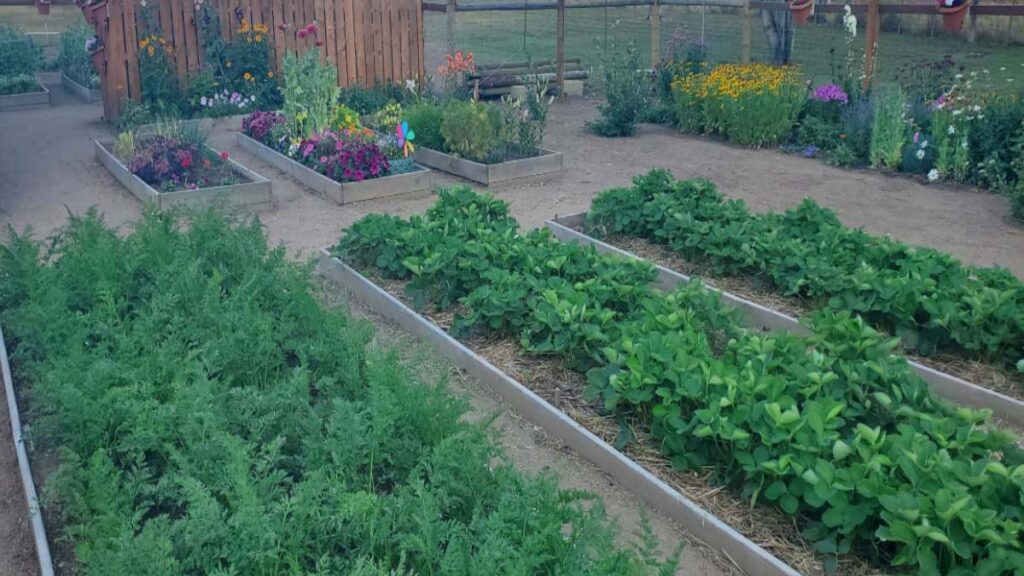
Do you need to rotate your vegetable crops? It is one of the most effective ways to maintain a healthy backyard garden is through crop rotation. This simple gardening practice helps reduce pest populations, prevents the buildup of soil-borne diseases, and allows your soil to naturally replenish nutrients between growing seasons. I know not everyone has the room in their garden to use this simple process by I highly recommend using it for potatoes, peas, and beans.
I learned the importance of crop rotation through experience, especially when growing potatoes. Potatoes should never be planted in the same location year after year because diseases can quickly build up in the soil. Problems such as potato scab, early blight, and verticillium wilt can linger and multiply, eventually leading to poor harvests and even complete crop failure.
Why Crop Rotation Matters
Different plant families use nutrients in different ways. Some crops are considered heavy feeders and remove large amounts of nutrients from the soil, while others help improve soil fertility.
For example:
• Nightshade crops, such as tomatoes, peppers, eggplants, and potatoes, are heavy feeders that use significant amounts of nitrogen.
• Root crops, including carrots, beets, and parsnips, rely heavily on calcium and potassium.
• Legumes, such as beans and peas, actually help replenish nitrogen in the soil.
By rotating crops each year, you help create a healthier balance of nutrients while reducing pest and disease pressure.
A Simple Crop Rotation Plan
Many gardeners follow a crop rotation schedule based on plant families. A common rotation order looks like this:
1. Nightshades (Heavy Feeders)
• Tomatoes
• Peppers
• Eggplants
• Potatoes
2. Legumes (Nitrogen Fixers)
• Beans
• Peas
• Lentils
Legumes are unique because they pull nitrogen from the air and store it in nodules on their roots, naturally improving soil fertility for future crops.
3. Brassicas (Heavy Feeders)
• Broccoli
• Cabbage
• Kale
• Radishes
4. Alliums
• Onions
• Garlic
• Leeks
• Shallots
5. Cucurbits (Heavy Feeders)
• Squash
• Cucumbers
• Melons
• Pumpkins
6. Root Crops (Light Feeders)
• Carrots
• Beets
• Parsnips
Crop Rotation in Small Gardens
Crop rotation can be challenging in small backyard gardens where space is limited. Many gardeners simply don’t have enough room to move crops to completely different areas every year.
If that’s your situation, don’t worry. You can still improve soil health by adding compost, aged manure, and organic fertilizers to replace depleted nutrients. Paying close attention to soil quality and plant health can help offset some of the limitations of a small growing space.
My Hoop House Exception
In my cold-climate garden, I grow tomatoes inside a hoop house because our nighttime temperatures are often too cool for consistent outdoor production. Since I can’t rotate those tomato plants to a new location each year, I focus on improving the soil annually with compost and other organic amendments.
While crop rotation remains one of the best tools for disease prevention, regularly enriching the soil can help keep plants productive when rotation isn’t possible.
My Thoughts
Crop rotation is one of the easiest ways to build healthier soil, reduce pest problems, and grow stronger plants. Whether you have a large garden or a small backyard plot, rotating crops whenever possible can improve harvests and help prevent many common gardening frustrations.
A little planning today can lead to healthier plants and bigger harvests for years to come.