
What are the best vegetables to plant in August for a quick harvest before fall?
August is the time when I start thinking ahead to fall. I know it can be hard to think about another season when the summer garden is finally producing, but if you garden in a cold climate like I do, August is an important month for getting those fall vegetables started.
Many cool-season vegetables need to be planted in mid to late summer so they have enough time to grow before the first hard frost arrives. The key is choosing vegetables that can handle cooler temperatures and, in many cases, actually taste better after a light frost.
And then there are vegetables like garlic that you’ll want to plant in the fall, not for a fall harvest, but for next year’s summer harvest.
If you garden in Zones 3–5, you already know that our growing season is short. We don’t have the luxury of waiting until September to start thinking about fall vegetables. A little planning now can give you another harvest before winter arrives.
Start With Your First Frost Date
Before you start scattering seeds around the garden, the first thing I recommend doing is finding your average first fall frost date. Once you know your first frost date, you can work backward to figure out what you still have time to grow. This part takes a little counting—but nothing you can’t do with a seed packet and a calendar.
Here’s the rough math:
Find your first fall frost date click here: Finding Your First and Last Frost Dates
Look at the “days to maturity” on your seed packet or plant tag.
Count backward from your first frost date based on those days.
Add another 7–14 days as a buffer because plants grow more slowly as the days get shorter and temperatures cool down.
Give yourself another 7–10 days for harvesting.
For example, if your seed packet says 30 days to maturity and your first frost is September 10, you would want to plant around early August.
This isn’t an exact science. Weather can change everything, especially in a short growing season. But using this method gives you a much better idea of what you can realistically grow.
And remember, the “days to maturity” listed on seed packets can sometimes be a little misleading. Those numbers are generally based on ideal growing conditions. As temperatures cool in late summer, plants may take longer to reach maturity.
That’s why I like to give myself a little extra time whenever possible.
Why I Love a Fall Garden

I’ll be honest—I really enjoy gardening in the fall.
Fall gardening is just as enjoyable as summer gardening, if not more so. The weather is significantly more bearable, especially after those hot summer days. The mornings are cooler, the evenings are crisp, and the garden just seems to slow down a little.
You may also notice that you’re watering less frequently because the temperatures aren’t as hot and the days aren’t as long. Pest pressure is often lower than it is during the middle of summer, too.
And some of the best-tasting vegetables thrive in those cooler temperatures. Lettuce becomes crisp and sweet. Radishes grow quickly. Kale can handle chilly nights. Carrots and parsnips can actually become sweeter after they’ve experienced some frost.
That’s one of the reasons I think a fall garden is worth making room for.
You’re not starting over. You’re simply giving your garden one more opportunity to produce food before winter.
So, what vegetables can you plant in August?
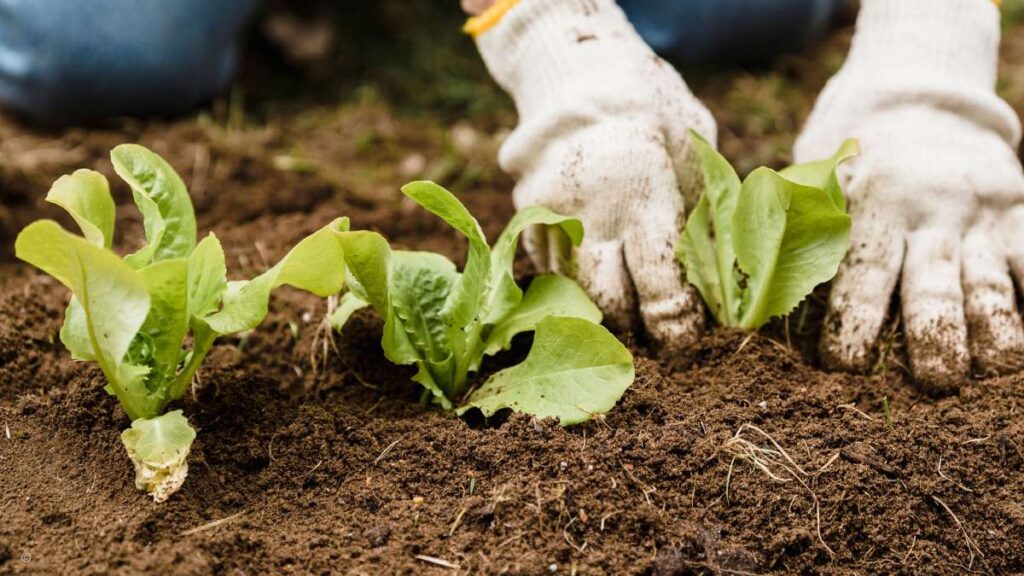
Lettuce – Lettuce is one of my favorite vegetables to plant for a fall harvest because it grows quickly and doesn’t mind cool weather. Depending on your variety and growing conditions, you may be able to harvest baby lettuce within a few weeks of planting. For a continuous harvest, try succession planting. Instead of planting your entire packet of seeds at once, sow a small amount every 10–14 days. This gives you a steady supply instead of having everything ready at the same time.
Lettuce also doesn’t need a huge amount of space, which makes it perfect for filling small spaces in the garden or even growing in containers.
If temperatures are still warm when you sow your seeds, keep the soil consistently moist until they germinate. Lettuce seeds can be stubborn about germinating in hot soil.
Spinach – Spinach is another excellent choice for a late-summer garden. It prefers cooler temperatures and can often continue producing well into fall. In fact, spinach can tolerate some pretty chilly temperatures. One thing I really like about growing spinach in the fall is that you don’t have to worry as much about it bolting as you do during the heat of summer.
Keep harvesting the outer leaves and allow the center of the plant to continue growing. This can give you multiple harvests from the same plant.
If you live in a colder Zone 3 or 4 climate, consider protecting your spinach with a row cover when temperatures start dropping.
Mustard Greens – If you enjoy a little more flavor and spice in your greens, mustard greens are worth trying. They grow quickly and prefer cool weather. Some varieties can be ready to harvest in just a few weeks. You can harvest young leaves for salads or allow them to grow larger for cooking.
They’re another great crop for succession planting because you can sow small amounts every couple of weeks.
Brassicas – The brassica family gives us some of the best vegetables for a fall garden. These cool-season vegetables include kale, kohlrabi, collards, cabbage, broccoli, cauliflower and Brussels sprouts. However, there is an important difference between them.
Some brassicas, such as kale and kohlrabi, can mature relatively quickly. Others, especially cabbage, broccoli, cauliflower and Brussels sprouts, need a longer growing period.
If you’re gardening in Zone 3 or 4, you’ll want to pay close attention to the days to maturity and choose varieties that are suited to your short growing season.
Kale – Kale is one of my favorite cold-hardy vegetables. It’s tough, forgiving and continues producing even when temperatures start to drop. Kale can be harvested as baby greens or allowed to grow larger. And just like carrots and parsnips, kale often tastes better after a light frost.
If you’re looking for a vegetable that can handle a little neglect and still reward you with a harvest, kale is a good choice.
Kohlrabi – Kohlrabi is one of those vegetables that doesn’t always get the attention it deserves. It grows quickly, doesn’t require a lot of space and prefers cool weather. The swollen stem is the part most people harvest, and it has a mild, crisp flavor that’s delicious raw or cooked.
Because kohlrabi matures relatively quickly, it can be a good option for a late-summer planting.
Collards – Collard greens are another hardy choice for a fall garden. They tolerate cold weather well and can continue producing after many other garden vegetables have finished for the season.
Harvest the larger outside leaves first, allowing the center of the plant to continue producing.
Cabbage – Cabbage can be grown as a fall crop, but this is one where you’ll really want to pay attention to your planting date and days to maturity. If you’re gardening in a short growing season, look for varieties that mature quickly. Starting with transplants instead of seeds can also give you a head start.
Cabbage appreciates consistent moisture and fertile soil, so don’t plant it into tired soil after a summer crop without giving the soil a little attention first.
Broccoli and Cauliflower –Broccoli and cauliflower can be grown as fall crops, but they’re a little more challenging in colder climates because they need enough time to mature.
If you’re planting in August, I would choose a fast-maturing variety and consider using transplants rather than starting from seed.
Broccoli is generally a little more forgiving than cauliflower.
Cauliflower can be particularly sensitive to temperature changes, so don’t be discouraged if it doesn’t cooperate perfectly in your first attempt. Gardening is always a learning experience!
Root Crops – If you’re looking for vegetables that are especially well suited to late-summer planting, don’t overlook root crops.
Radishes, turnips, beets, carrots and parsnips can all be wonderful additions to a fall garden.
Radishes – Radishes are one of the easiest vegetables to grow when you’re short on time.
Many varieties mature in less than a month, making them perfect for a late-summer planting.
Sow them directly into the garden and keep the soil evenly moist while the seeds are germinating.
For a continuous harvest, plant a few seeds every 10–14 days.
There’s something pretty satisfying about planting a little row of radishes and harvesting them just a few weeks later.
Turnips – Turnips are another fast-growing root crop that does well in cool weather.
You can harvest both the roots and the greens, which gives you two vegetables from one planting.
For fall planting, I like to grow varieties that mature quickly so I don’t have to worry as much about running out of growing season.
Beets – Beets can also be planted for a fall harvest.
They’re relatively cold tolerant and can be harvested when they’re small or allowed to grow larger.
And don’t throw away those beet greens! Young beet greens are delicious cooked or added to salads.
Carrots – Carrots are one of my favorite vegetables for the fall garden.
They do take longer to mature than radishes, so make sure you check the days to maturity before planting. But there’s a great reward for growing carrots into the fall.
Many root crops, especially carrots and parsnips, become sweeter after exposure to cold temperatures. The plants convert some of their stored starches into sugars as temperatures drop.
That’s why I don’t mind leaving carrots in the garden a little longer when the weather cooperates.
Parsnips – Parsnips are one of those vegetables that actually benefit from a little patience.
They can be slow to germinate and take a long time to mature, so they aren’t necessarily the best choice if you’re starting from seed in August in a very short growing season.
However, if you live in a slightly longer-season Zone 5 area, a late-summer planting may be possible depending on your first frost date and variety.
And if you already have parsnips growing in the garden, don’t rush to harvest them. A frost can make them sweeter and more flavorful.
Don’t Forget About Garlic

Garlic is a little different from the vegetables we’ve talked about so far.
You’re not planting garlic in August for a fall harvest.
Instead, garlic is typically planted in the fall so it can establish roots before winter and then continue growing the following spring.
In colder climates, garlic is generally planted later in the fall, after the soil has cooled but before it freezes solid.
The exact timing depends on your climate and weather, so don’t feel like you have to rush out and plant garlic in August.
For most cold-climate gardeners, fall garlic planting is something to put on your September or October garden checklist.
And there’s nothing quite like harvesting your own garlic the following summer.
A Few Fall Garden Tips
There are a few things I keep in mind when planting my late-summer garden.
~ First, refresh your soil. If you’re planting a second crop in the same garden bed, your summer vegetables have already used some of the available nutrients. Adding a layer of compost before planting can help replenish the soil and give your fall crops a good start.
~ Second, don’t forget to water. Even though temperatures are starting to cool, newly planted seeds still need consistent moisture to germinate. August can still be surprisingly dry, especially in a cold climate. Once your plants are established, water deeply rather than giving them frequent shallow watering.
~ Third, keep succession planting in mind. Fast-growing crops such as lettuce, spinach, radishes and mustard greens can be planted every 10–14 days. This gives you a steady supply of fresh vegetables instead of one large harvest all at once.
~ Fourth, keep an eye on the weather. Fall weather can change quickly in Zones 3–5. One day can feel like summer and the next night can bring a frost warning. Row covers can be incredibly helpful.
A simple row cover can provide a few extra degrees of protection, which can make the difference between harvesting your vegetables and losing them to an early frost.
And don’t forget about mulch. Mulching around root crops can help insulate the soil as temperatures begin to fall. If you live in a very cold climate, a good layer of mulch can help protect carrots and other root vegetables from freezing solid.
What About Vegetables That Are Already Growing?
You don’t have to remove your summer garden just because you’re planting fall crops. In fact, this is where succession planting can really help. As your lettuce, peas, radishes or early vegetables finish producing, remove the spent plants and add compost before planting your next crop. You can also tuck fall crops into open spaces between established plants.
Have a spot where the peas have finished? Plant some lettuce. Did you pull out your garlic? Plant a quick crop of radishes. Have an empty space where an early-season vegetable was growing? That’s a perfect place for spinach or another cool-season crop.
I like to think of the garden as a moving puzzle. As one crop finishes, another one takes its place.
Don’t Be Afraid of the First Frost – One of the biggest mistakes I see new cold-climate gardeners make is assuming the first frost means the garden is finished. It doesn’t.
A light frost can actually improve the flavor of several cool-season vegetables.
Kale, carrots, parsnips and some other hardy crops can tolerate temperatures that would send your tomatoes and peppers running for cover.
That’s one of the advantages of growing a fall garden. Instead of fighting the cooler temperatures, you’re choosing vegetables that enjoy them.
And when the summer heat finally fades, you’ll still have something growing in the garden.
My August Fall Garden Checklist – If you’re ready to start your fall garden, here’s a simple checklist to get you started:
🌱 Check your first fall frost date.
🌱 Look at the days to maturity on your seed packets.
🌱 Add extra growing time because plants grow more slowly as temperatures cool.
🌱 Plant quick-growing crops such as radishes, lettuce and mustard greens.
🌱 Plant hardy greens such as kale, spinach and collards.
🌱 Consider brassicas such as broccoli, cabbage, cauliflower and kohlrabi if you have enough growing time.
🌱 Plant root crops such as radishes, turnips, beets and carrots.
🌱 Add compost to tired garden soil.
🌱 Keep newly planted seeds consistently moist.
🌱 Succession plant every 10–14 days for a longer harvest.
🌱 Have row covers ready for early cold nights.
🌱 Mulch root crops before the ground freezes.
🌱 Start thinking about fall garlic planting.
🌿My Final Thoughts
August may feel like the end of summer, but for us cold-climate gardeners, I think of it as the beginning of another gardening opportunity. Our growing season may be short, but that doesn’t mean we have to stop gardening as soon as summer starts winding down.
By choosing hardy vegetables that can handle cooler temperatures, paying attention to your first frost date and doing a little counting backward from that date, you can squeeze another harvest out of your garden.
And honestly, there’s something pretty special about walking into the garden on a cool fall morning and harvesting fresh lettuce, carrots, spinach or kale while the rest of the garden is beginning to slow down.
So don’t put that garden shovel away just yet. There are still vegetables to plant!
Happy Gardening!
Debbie 🌿❄️🌸
Cold Climate Gardens
Helping Zone 3 & 4 Gardeners Grow with Confidence